

Rodrigo Duterte Faces OffiCial Murder Charges at The Hague | What’s at Stake for the Philippines
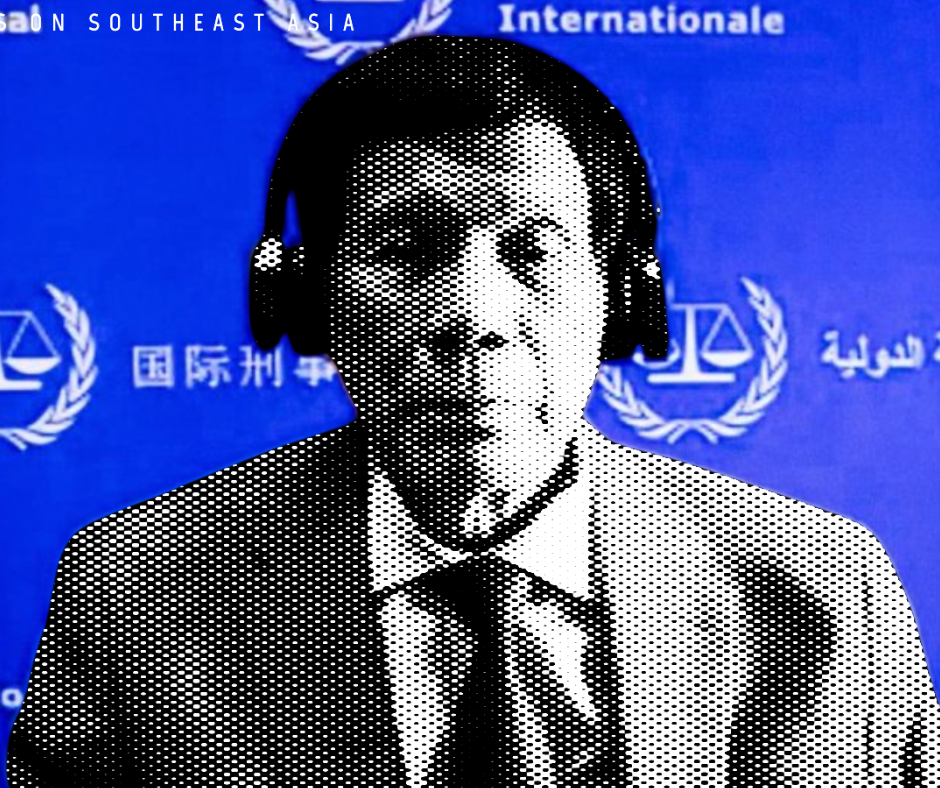
Photo Courtesy of ICC
Former Philippines President Rodrigo Duterte isn’t just trending in the Philippines anymore. The former president is now facing formal charges at the International Criminal Court (ICC) in The Hague. On September 23, 2025, prosecutors released redacted details accusing him of three counts of murder as crimes against humanity.
This isn’t just another headline. It’s the first time a Philippine leader is being held accountable on the world stage for a campaign that left thousands dead.
Here’s what the ICC is saying:
Duterte is accused of murder and attempted murder during both his presidency and his time as mayor of Davao City.
The charges are framed as crimes against humanity because they weren’t isolated incidents, but part of a pattern of violence.
At least one count ties directly back to Davao’s so-called “death squad” years.
Duterte’s drug war defined his presidency from 2016 to 2022. It was brutal, highly publicized, and praised by some Filipinos who saw it as “decisive leadership.” But international human rights groups called it what it was: a wave of extrajudicial killings and disappearances.
The Philippines pulled out of the ICC in 2019, but that didn’t erase accountability. The court ruled it could still investigate crimes that happened while the country was a member. Fast forward to March 2025, Duterte was arrested in Manila and flown to The Hague. Now the case is officially moving forward.
For the families of those killed in Duterte’s drug war, the ICC offers something the Philippine justice system never did — a space to be heard. Their testimonies, long dismissed at home, are now part of a case unfolding on the world’s stage.
For the Philippines, the charges feel like an earthquake. To some, this is overdue justice finally catching up to a leader whose policies left thousands dead. To others, it is a foreign court meddling in national affairs and reopening wounds the country would rather bury.
For the world, the case is a reminder that even the most powerful leaders are not untouchable. The Hague is sending a clear signal: impunity has limits, and accountability does not stop at borders.
And now, the charges have sharpened an already polarized debate. On one side are critics: human rights groups, opposition leaders, and families of victims who have been speaking out since the first wave of killings. For them, the ICC proceedings are not just legitimate, they are necessary and must push forward.
On the other side are Duterte’s defenders. Loyalists argue that his strongman tactics saved the country from drugs and crime, and nationalists claim the ICC has no authority after the Philippines withdrew in 2019. To them, this trial is an insult to sovereignty and a distraction from the nation’s problems today.
Timeline You Need to Know
2016–2022: Duterte’s presidency, peak of the drug war.
2019: Philippines withdraws from the ICC.
March 2025: Arrest in Manila, transfer to The Hague.
September 2025: ICC publishes redacted charges.
Late 2025: Judges will decide if the case moves to a full trial.
The pre-trial chamber has to confirm if there’s enough evidence to move forward. Duterte’s legal team is already playing the health card, questioning his ability to participate. If the charges stick, it could become one of the most high-profile ICC trials in recent history.
This is just part of a larger reckoning for the Philippines. Just last week, thousands of Filipinos filled the streets to protest corruption and demand real accountability from those in power. What stood out was the presence of young Filipinos, millennials and Gen Z who are refusing to stay silent and who are shaping the tone of this new movement.
The ICC charges drop right into that moment, adding fuel to a generation already calling for change. Whether or not the case makes it to a full trial, the message is clear: impunity has an expiration date. For victims, it’s a chance to be seen. For the Philippines, it’s a test of how far it’s willing to go in confronting its past. And for the world, it’s proof that the demand for justice is louder and younger than ever.