

If You’re Going to Open a Filipino Restaurant, Open It in Chicago
From Kasama’s Michelin star to Boonie’s bold plates, Chicago is rewriting the Filipino food playbook.
Written By Lisa Angulo Reid
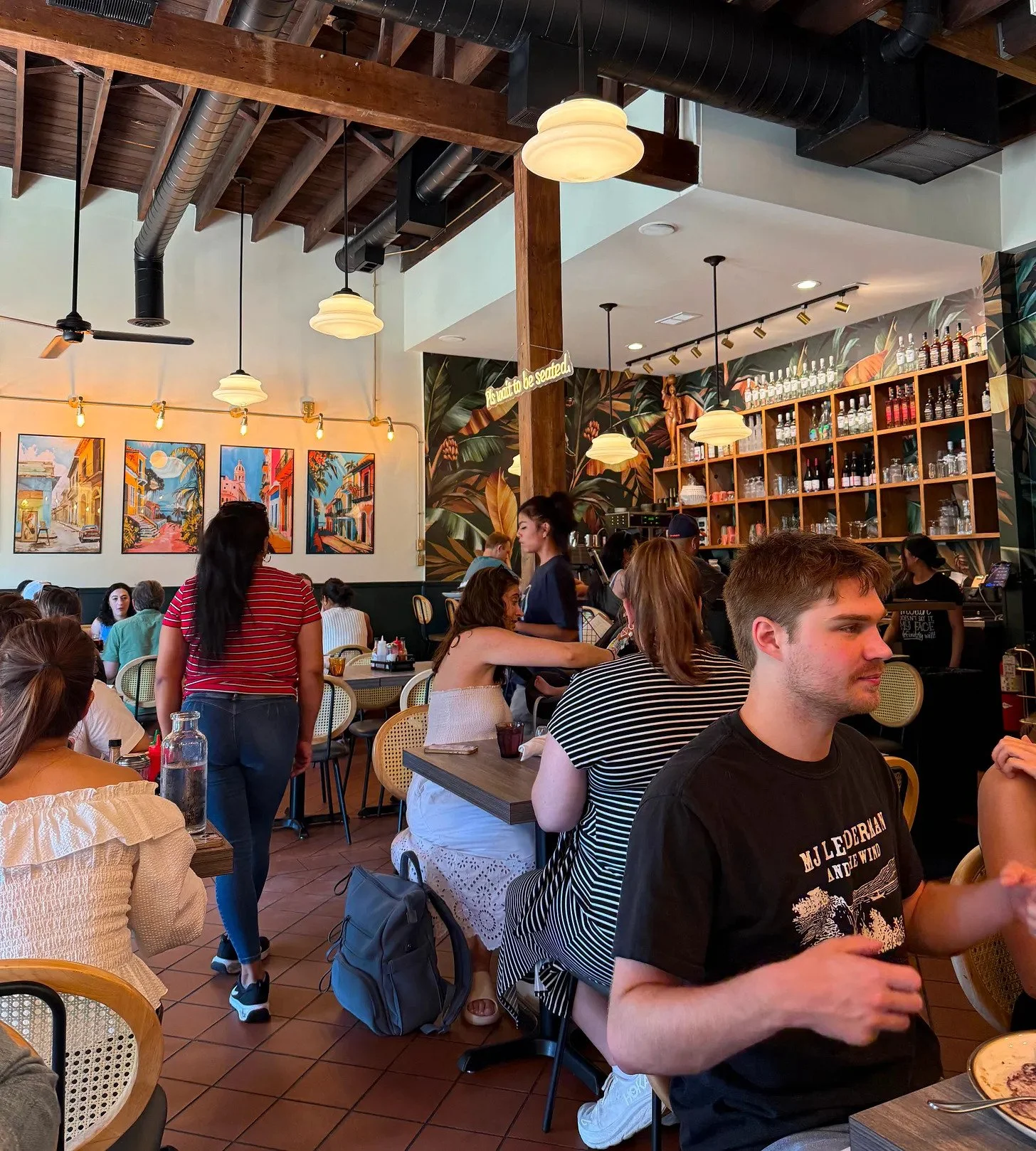
Brunch vibes at Bayan Ko Diner
I’m going to start by saying that this is the best time for Filipino food in America.
Filipino restaurants are making culinary history — from the first Michelin star at Kasama to James Beard wins (Kuya Lord, Abi Balingit) and a flurry of nominations — drawing national attention to a cuisine that’s been here all along. In the last few years, we’ve gone from being overlooked to part of the broader food conversation. TikTok and Instagram are saturated with videos showing where to find the latest ube dessert or how to make your Lola’s adobo, racking up millions of views.
It would be easy to dismiss this as trend-chasing, but there are 4.6 million Filipino Americans living in the U.S. Nearly one in five Asian Americans is Filipino, making us the third largest Asian community in the country. Our food has both cultural roots and critical mass. Filipino flavors are no longer a novelty. They belong here.
This moment didn’t come from nowhere. It’s building on the foundation laid by places like Cendrillon and Maharlika in New York, Bad Saint in DC, and Abacá in San Francisco — restaurants that proved Filipino food could be ambitious, nuanced, and worth a seat at the American table. Chicago’s chefs are taking that proof and running with it.
But here’s the deal: not every city is set up to take advantage of that momentum. Some are weighed down by legacy beliefs, old-guard thinking, and crab mentality — the idea that if one of us climbs out of the bucket, others try to pull them back down. If you want to open a Filipino restaurant that actually lasts, you need to be strategic about where you do it.
Why Chicago has the edge
As a New Yorker who’s lived here for nearly 30 years, I know this is going to piss off my fellow New Yorkers. But if you’re going to open a Filipino restaurant, open it in Chicago. Chicago has the right conditions for Filipino restaurants to not just survive but innovate:
Curious diners who spend for discovery. Not just hyped trends, but real, thoughtful cooking.
A dining culture open to global flavors. While Chicago is more homogenous than cities like New York or LA, its diners actively seek out culinary experiences beyond their own backyard.
An openness to reinterpretation. You can take a dish everyone knows and present it in an unexpected, elevated way, and people will lean in, not push back.
Lower operational costs than New York or California. This means more breathing room for experimentation. The cost of rent and labor in both New York and California make innovation cost-prohibitive.
Critical mass without saturation. Enough of a Filipino community to build word of mouth, but not so entrenched that old expectations choke new ideas.
And here’s the thing. Non-Filipinos in Chicago know where the Filipino food is. At many of the city’s best new restos and cafés, non-Filipinos make up the majority of diners. These chefs aren’t cooking just for the community anymore — they’re cooking for this city like they own it.
Look at Kasama. It’s the first Filipino restaurant in the world to earn a Michelin star. Not only did they make history, they proved Filipino flavors can sit in the fine dining pantheon and still draw a line 100 people deep for breakfast every day.
Look at Boonie’s. The menu reads like it could be your Lola’s, but the execution isn’t traditional at all. I had a full Ratatouille Anton Ego moment eating their Adobong Isda.
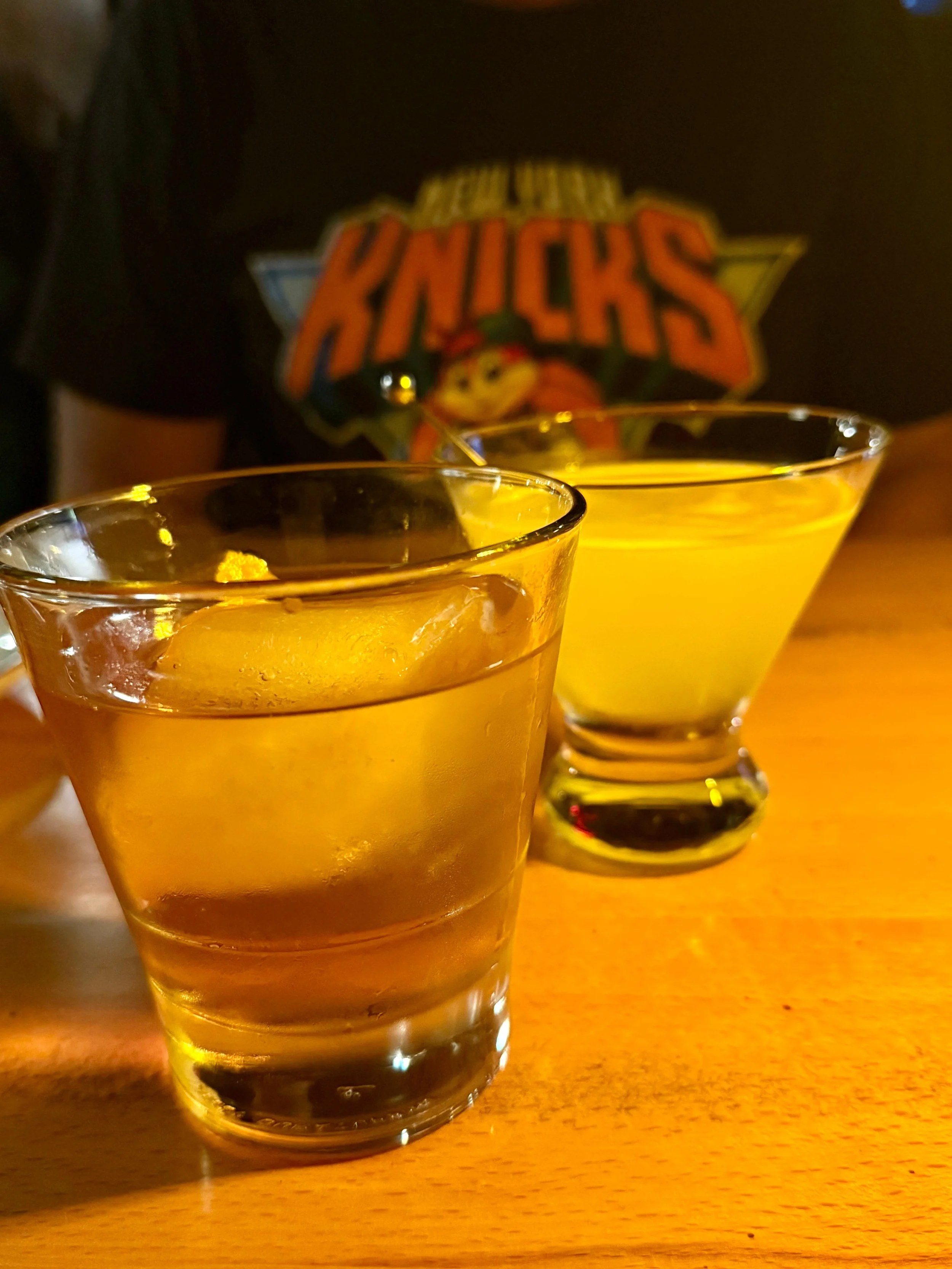
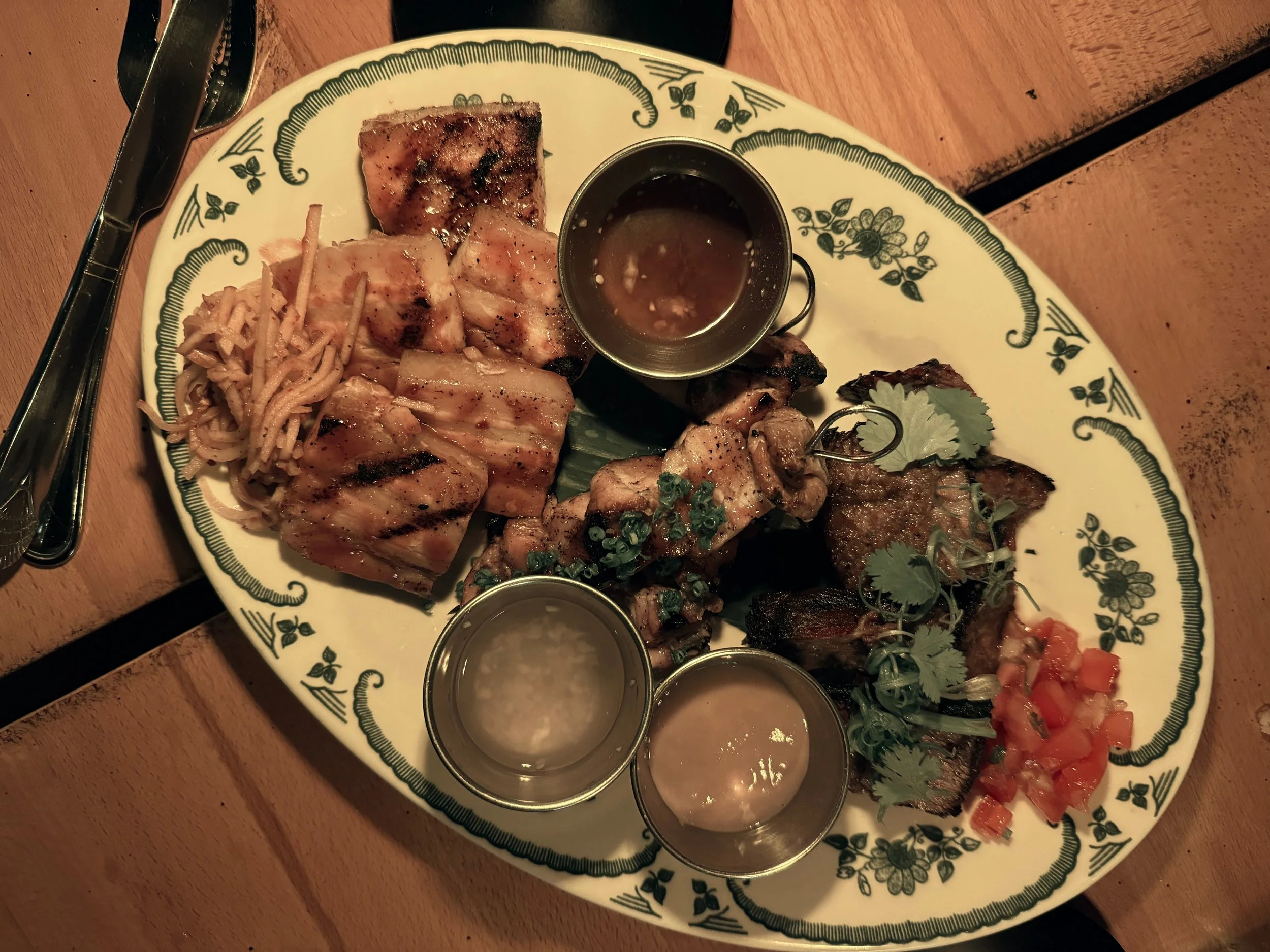
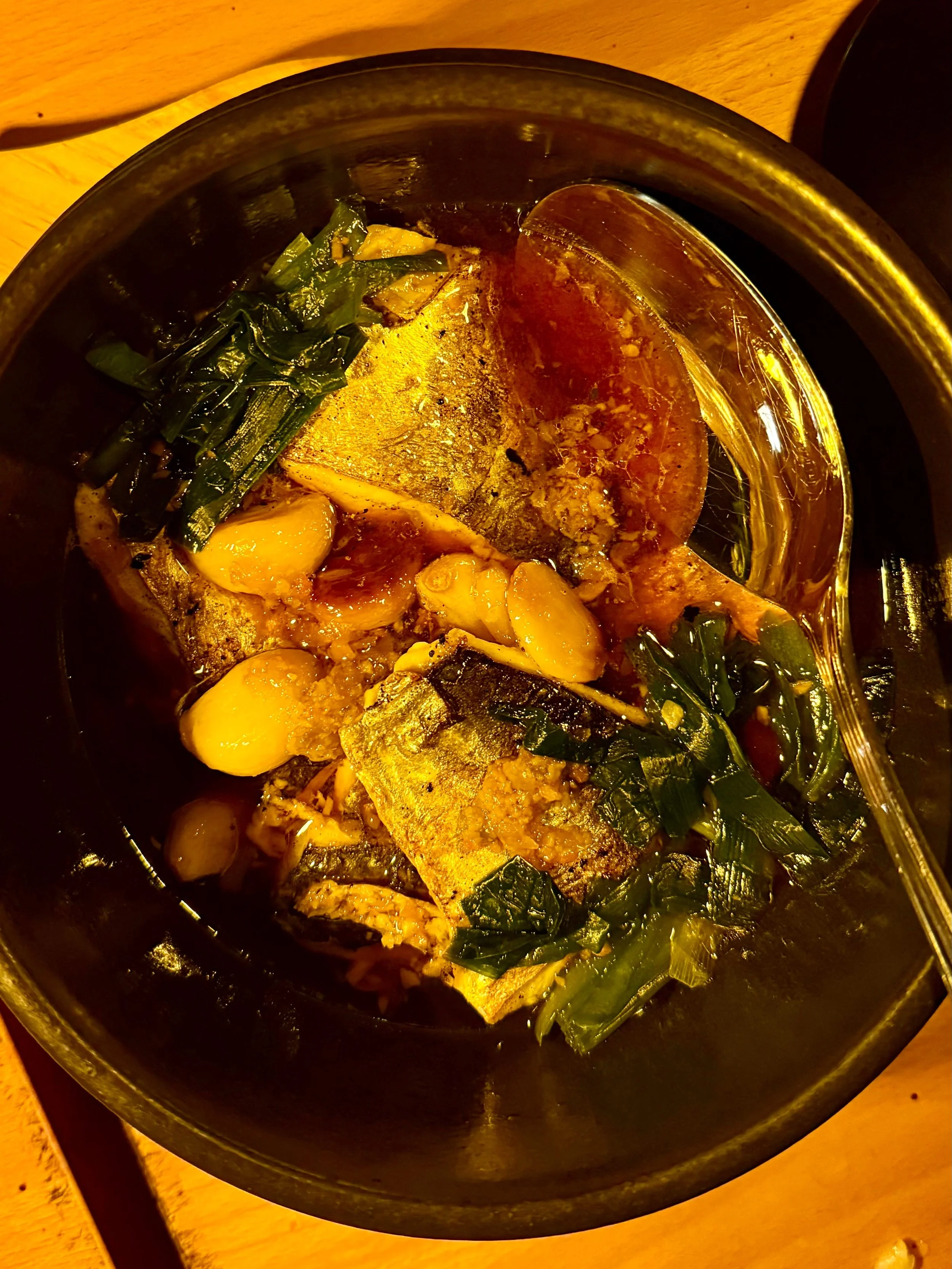
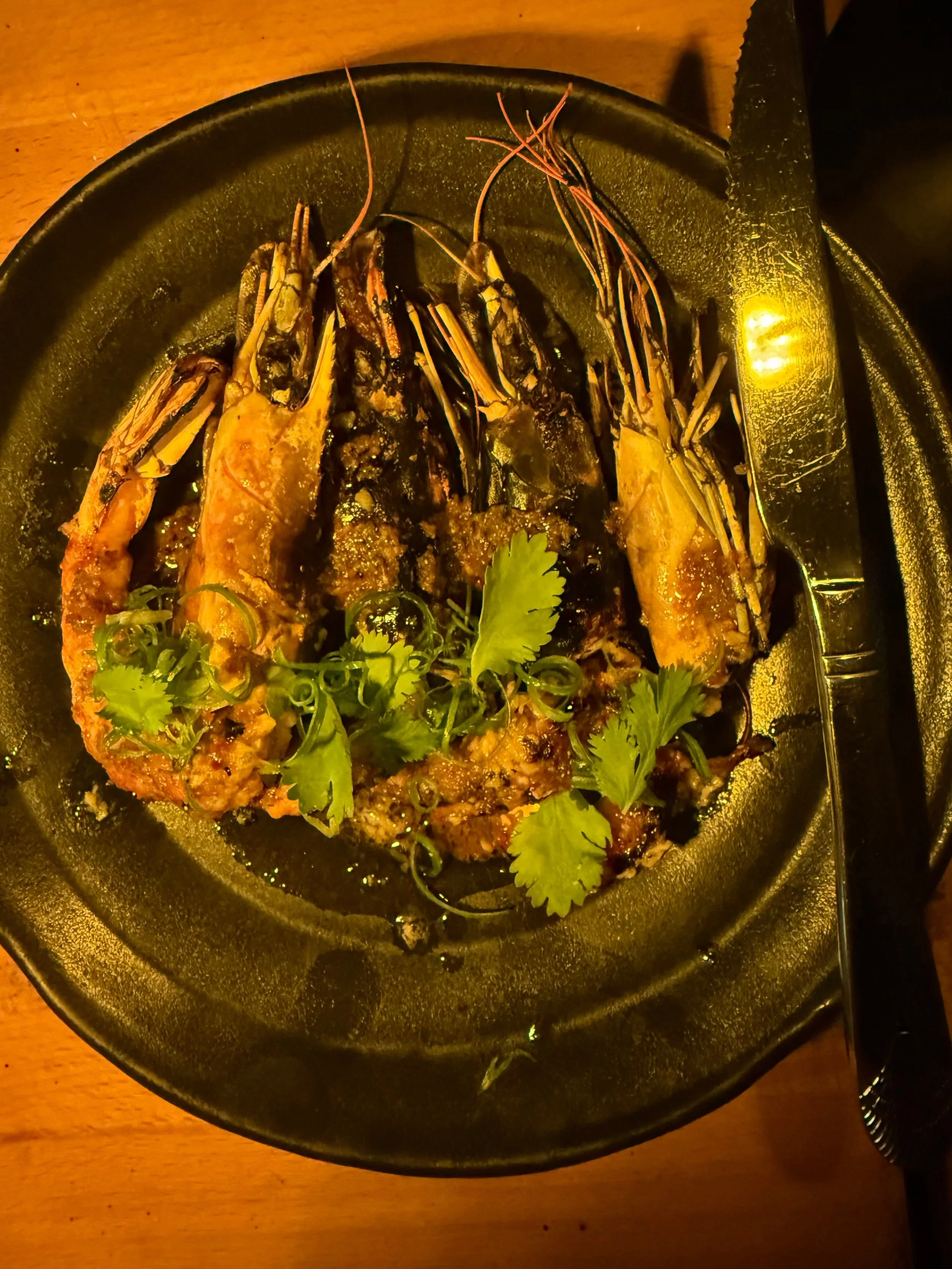
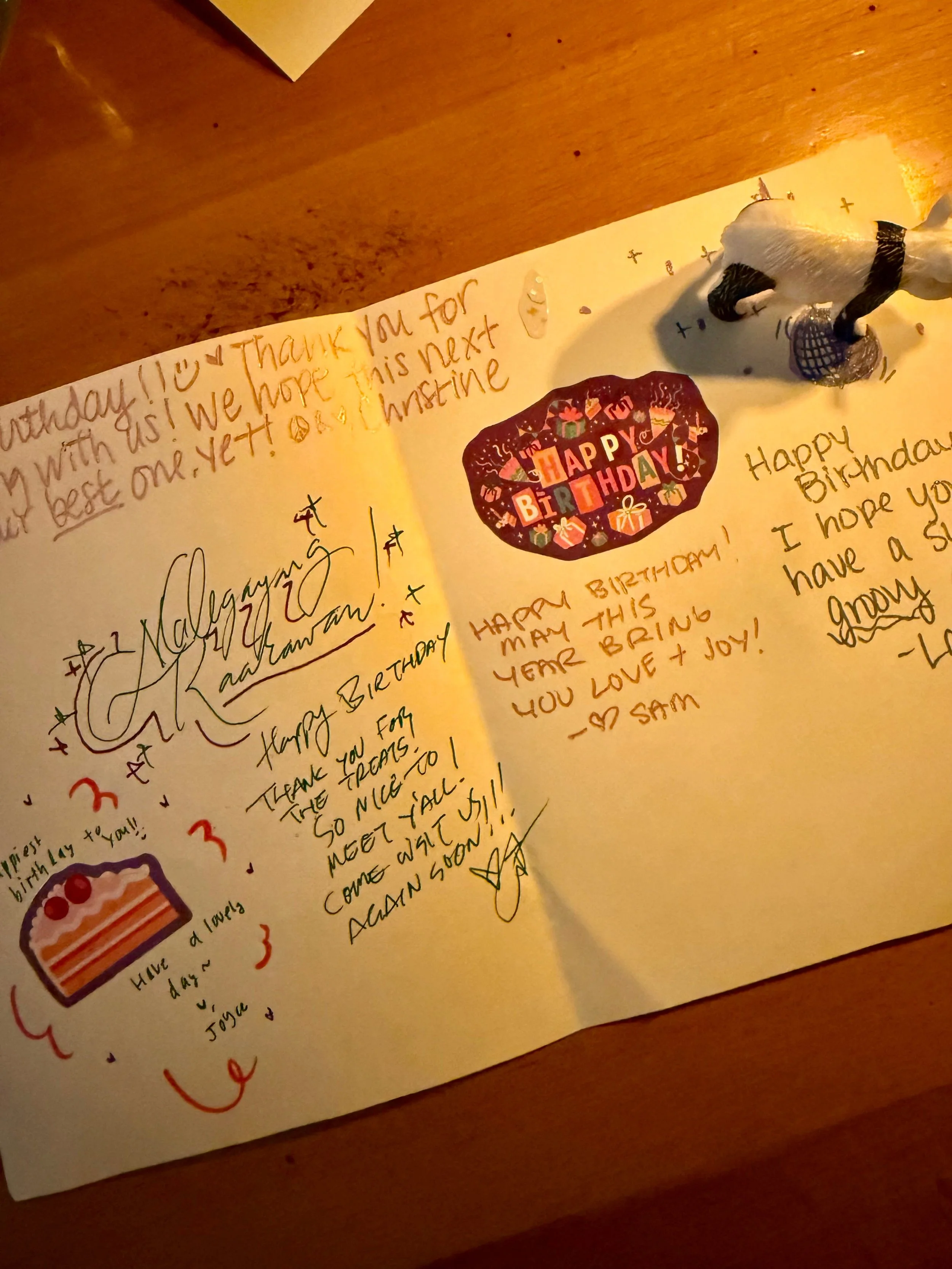
Dinner at Boonie's: Sugpo, Adobong Isda, Liempo Plate, the Banana Old Fashioned and Calamansi Sour, and the sweet birthday card from the Boonie's team.
What this means for other markets
Chicago’s playbook isn’t a one-off. The same factors could work in Boston, Atlanta, or Pittsburgh, cities with diverse, curious diners and a little more flexibility on cost.
Here’s the hard truth: running restaurants is already challenging. If you’re only catering to enclaves or nostalgia, you’re capping your growth. The broader dining audience is ready: will you meet them there?
We’ve seen this at Dear Flor. Our fastest traction came not just in the “expected” markets like NY, LA, and SF, but in places where Filipino flavors felt fresh, unexpected, and relevant. Filipino flavors are in demand everywhere; the opportunity comes from positioning them to excite beyond the diaspora.
Restaurants can do the same. It’s not about diluting tradition. It’s about claiming the right to evolve it, and choosing a market where you can afford to take those risks.
The playbook
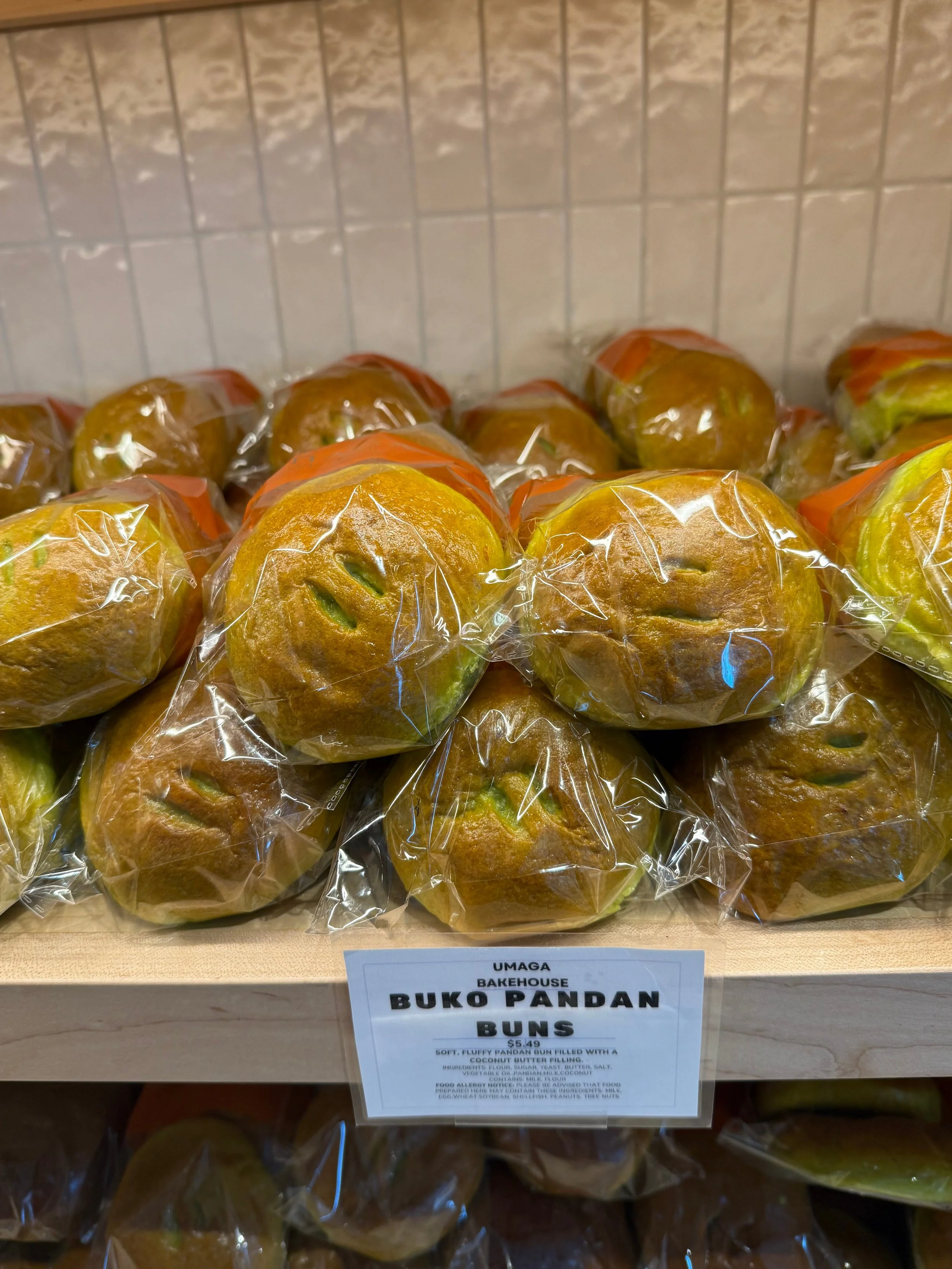
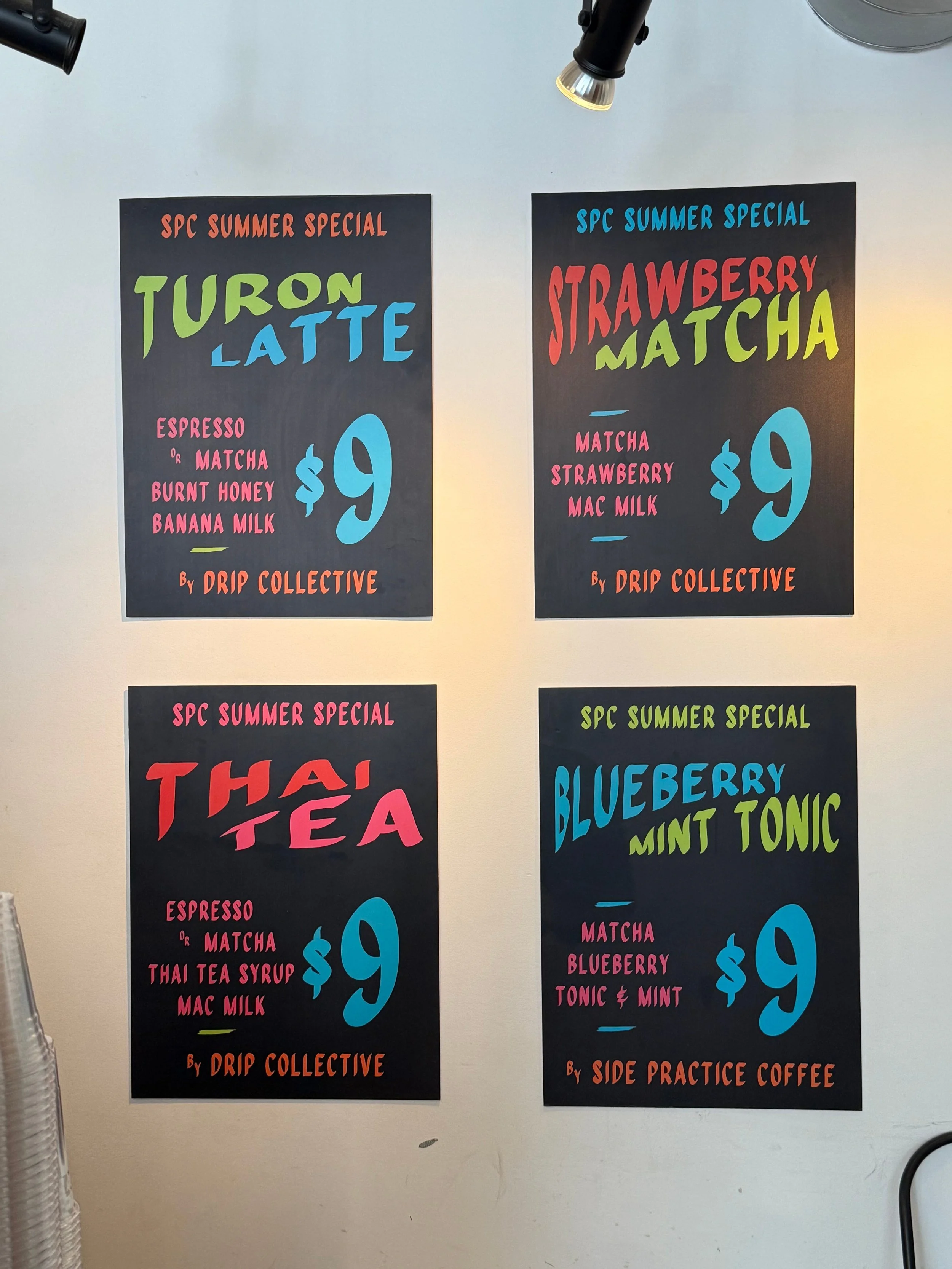
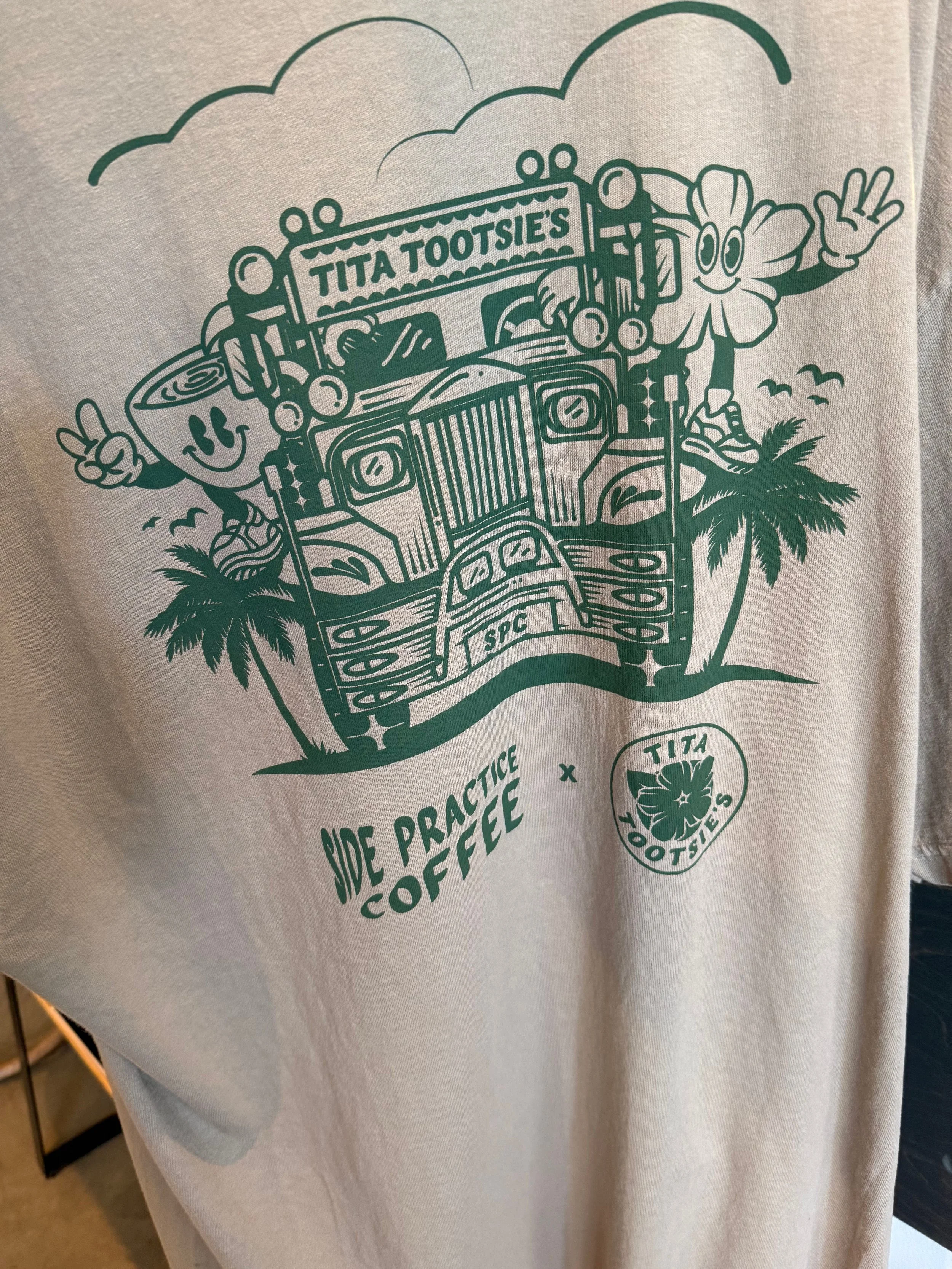
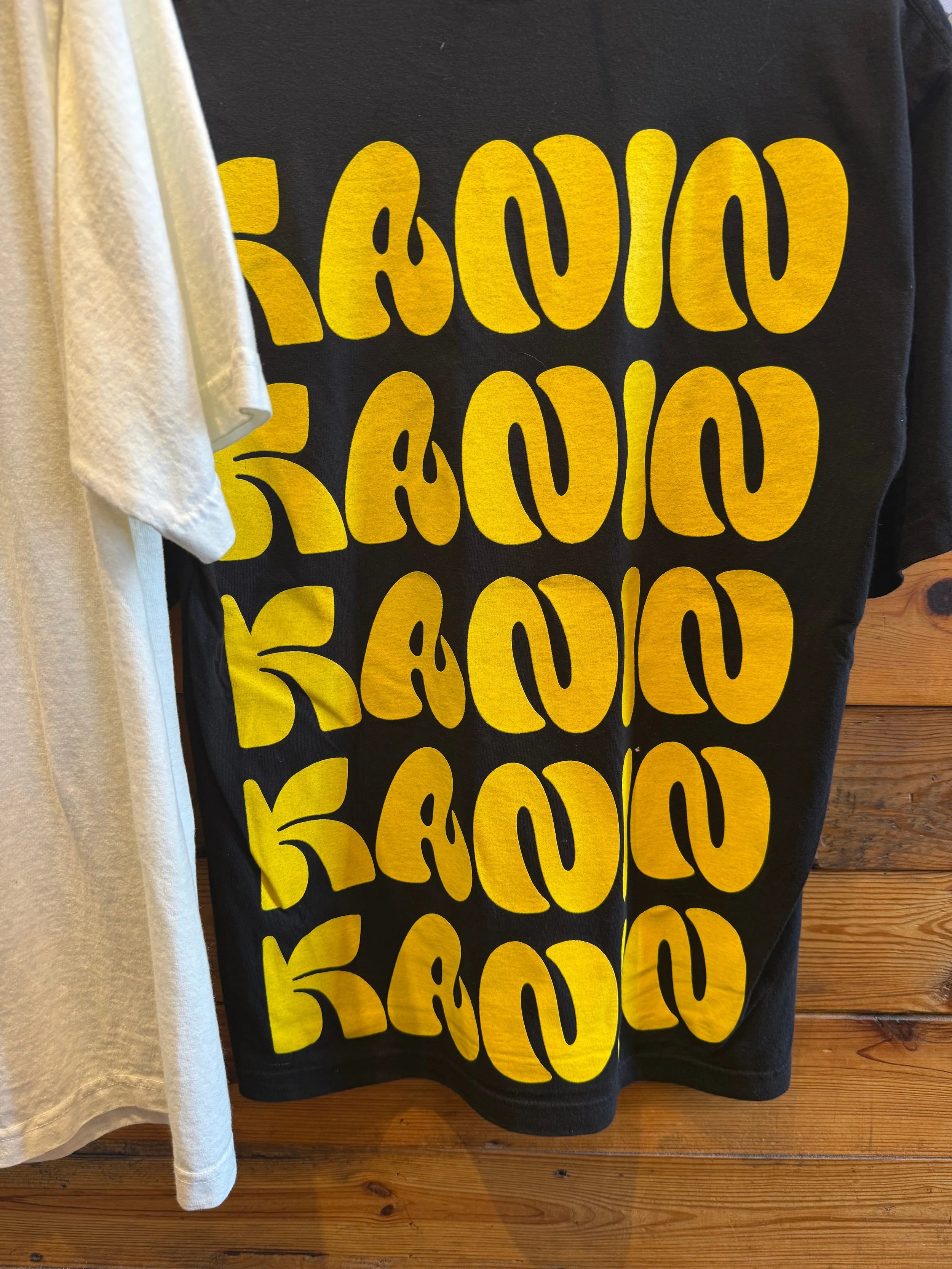
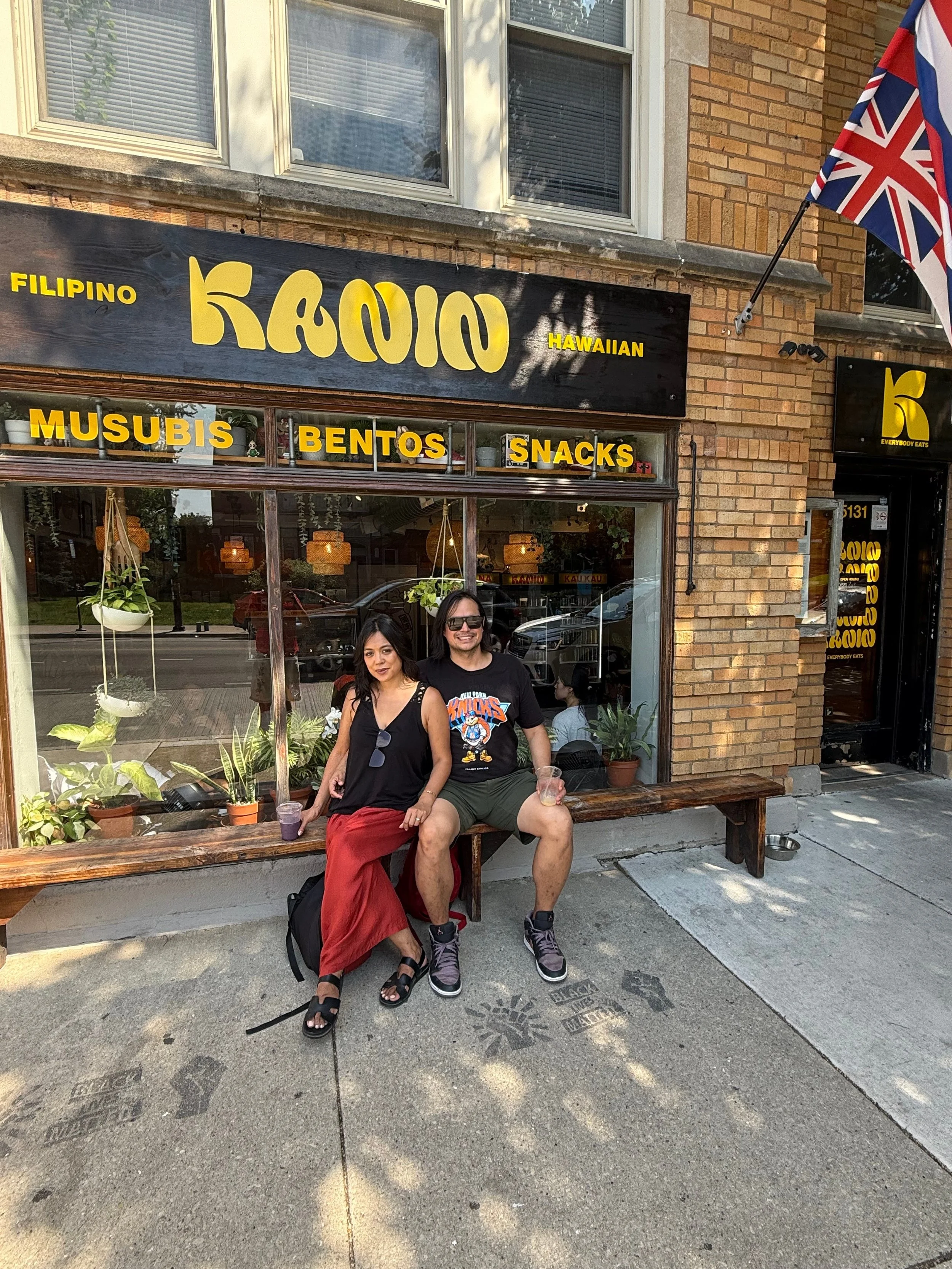
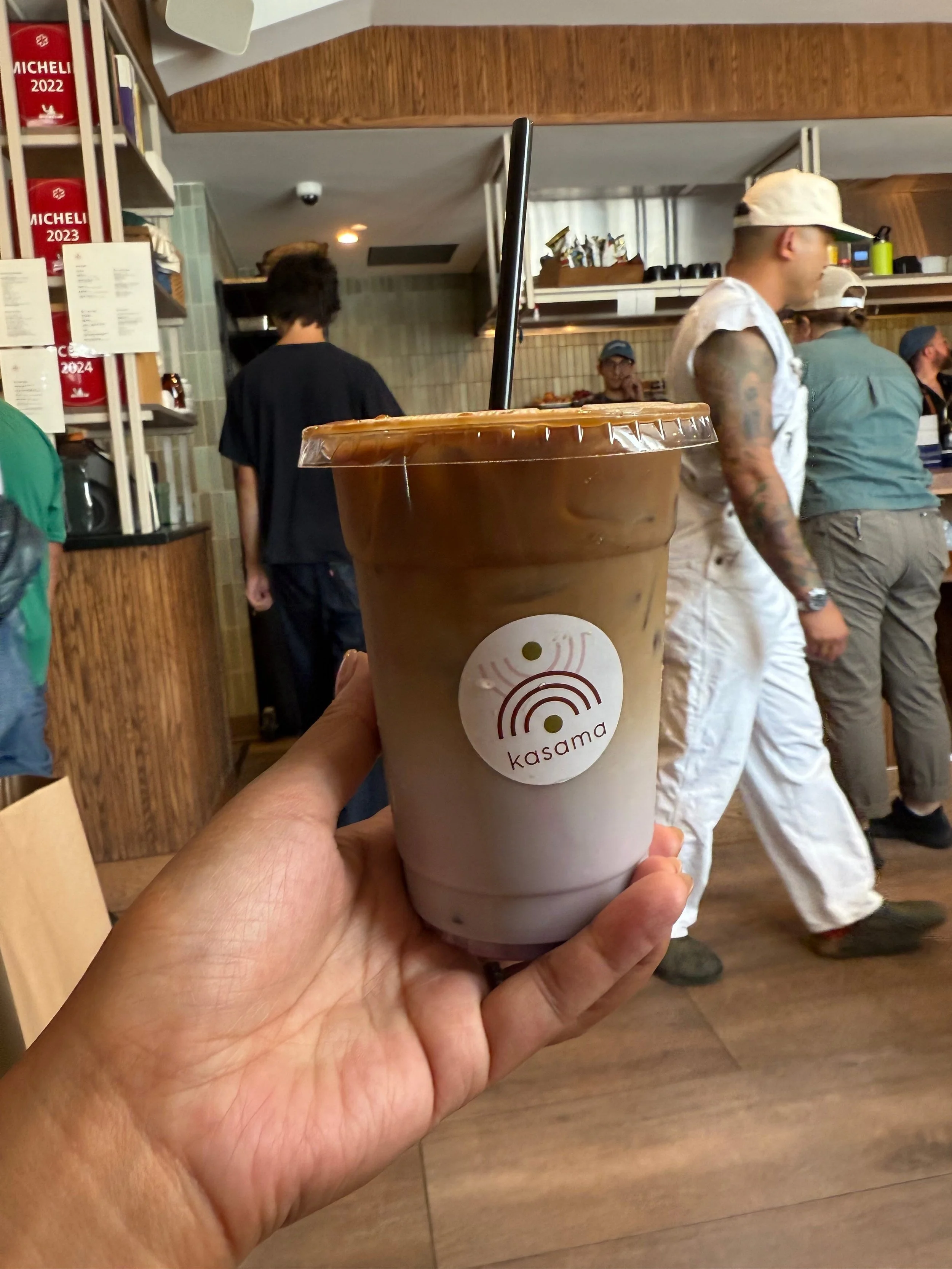
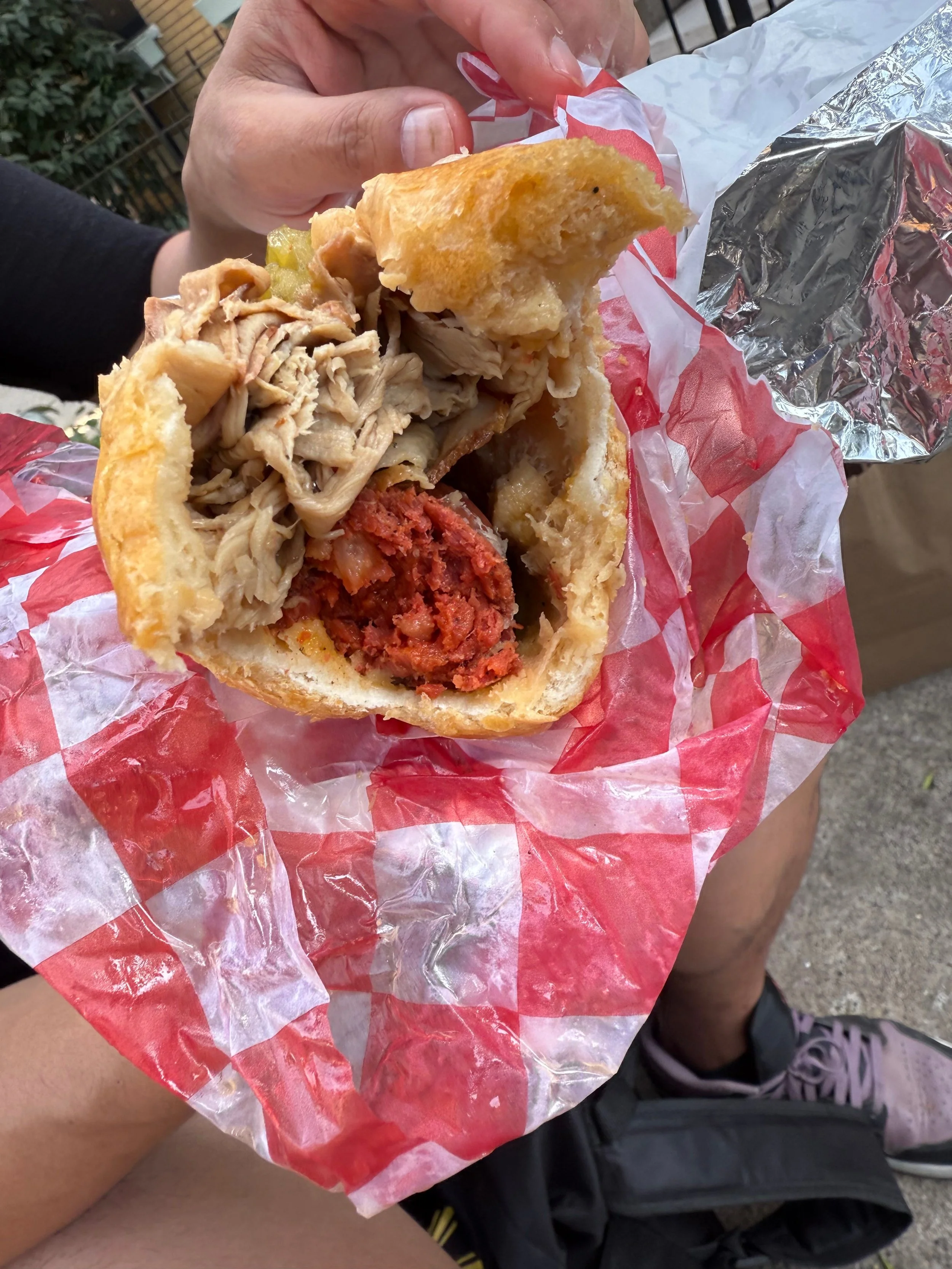
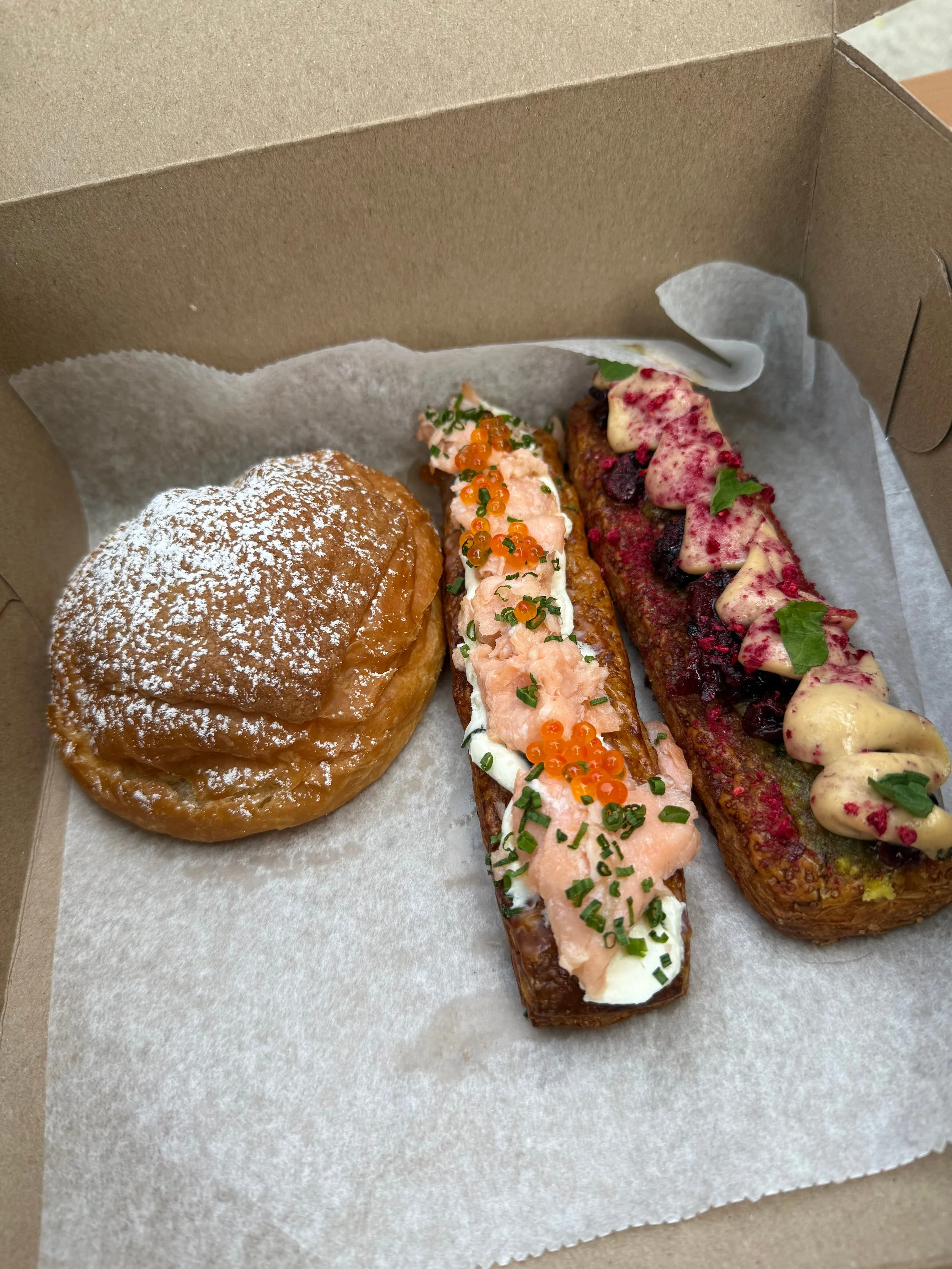
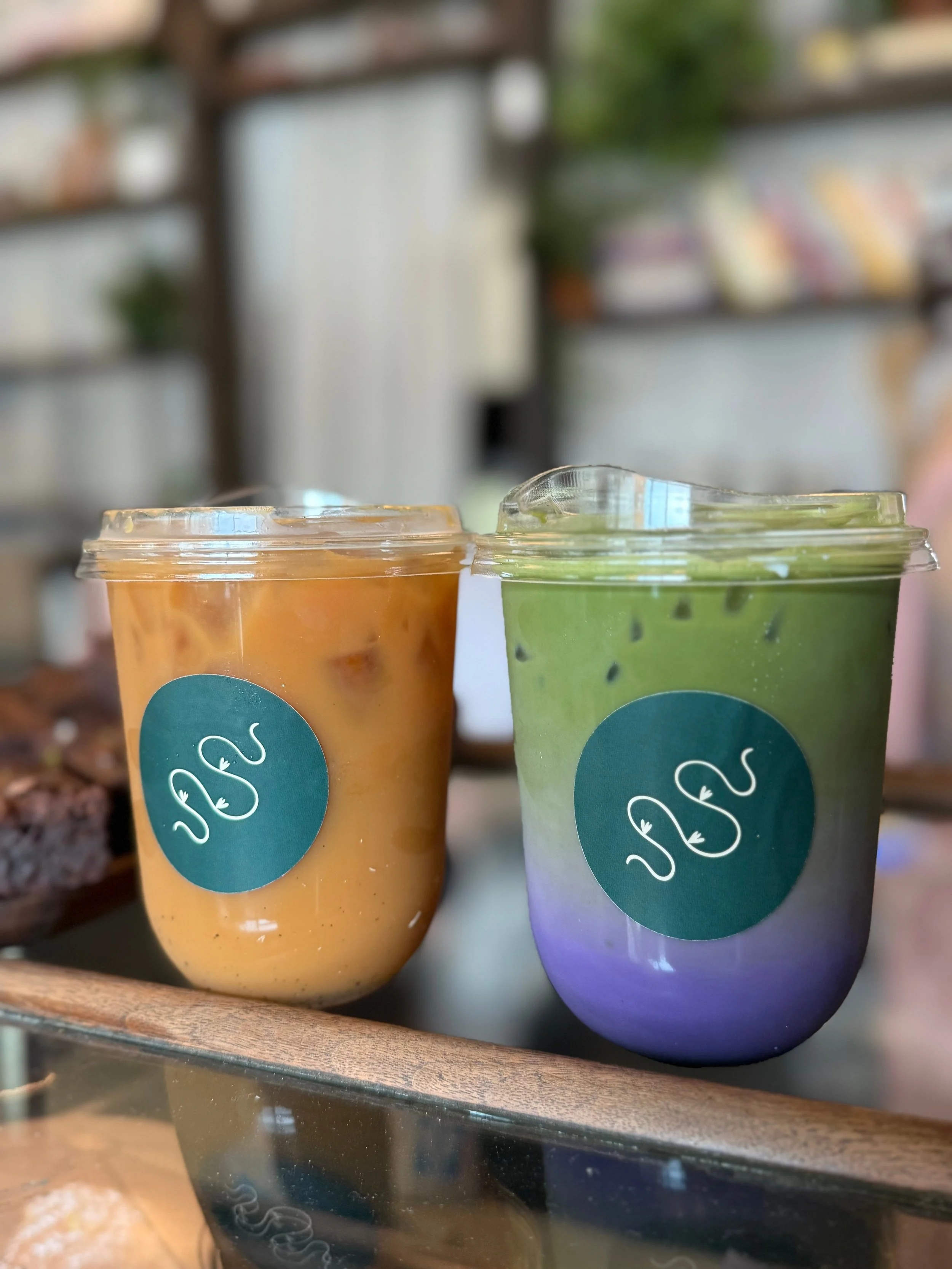
Top (L-R): Buko Pandan Rolls from Umaga Bakeshop, Side Practice Coffee selection, Side Practice Merch. Middle: Kanin tee, in front of Kanin, Ube Latte at Kasama. Bottom: Kasama's "Italian Beef," Kasama's Ube Ensaymada, salmon danish, and foie gras danish, Del Sur's pandan latte and ube matcha.
If you’re serious about opening a Filipino restaurant for a broad, sustainable audience, here’s the framework:
Feed curiosity, not comfort. Attract diners who want to be surprised, not just reassured.
Global taste, open mind. A dining culture that welcomes flavors and traditions from beyond its own backyard.
Breathe or bust. Lower costs give you room to experiment; without that space, risk-taking dies fast.
Community that lifts, not limits. A Filipino base that amplifies your vision instead of boxing it in.
Culture isn’t a coupon. Don’t discount your food to nostalgia or outsiders. Price with integrity; diners will meet you there.
Filipino food has momentum. Chicago proved that the table expands when you stop playing small. For the coasts, it’s a challenge to rethink the rules. For Filipinos everywhere, it’s a call to claim our place. Together.
Chicago Hit List, in no particular order
Kasama. So you didn’t get reservations. You can still get brunch. Pro-tip: Skip the line — online orders start at 9am, so order ahead and pick up.
Boonie’s: Someone told me to order the fish, whatever it is, on the menu. I’d recommend you do the same.
Side Practice Coffee: Part of Francis Almeda’s growing empire. Grab a coffee, chill in the inviting café. The turon latté is amazing. You can also head a couple of doors down to Kanin, it’s sister Hawaiian-Filipino sari-sari joint specializing in musubi.
Umaga Bakehouse: A modern take on Filipino bread shops. Excellent ensaymada — I had the yema, Brian had the Hulk (pandan ensaymada). Located next to the massive Seafood City complex in case you need to pick up groceries or craving Chickenjoy. We grabbed a bag of the Buko Pandan buns for pasalubong. We ended up keeping it for ourselves.
Del Sur Bakery: What started as a popup at Side Pracice is now a stand alone bakery/café. Get the adobo brownie.
Bayan Ko Diner: Whether you’re feeling like Filipino silogs, or ube pancakes or a Cuban sandiwch, there’s something for literally everyone on this menu.












When the Avengers: Doomsday one-year countdown dropped, audiences didn’t just watch. They paused, replayed, shared, and even speculated about hidden messages. A week later, the clip surpassed 14 million views, becoming a viral moment picked up across major media outlets that fueled anticipation for the next chapter of the Marvel Universe.
The countdown video was the result of a collaborative effort led by AGBO and its studio partners. Supporting the marketing team as a contracted editor was Joshua Ortiz (@joshuajortiz), a Filipino American filmmaker whose career has steadily built toward opportunities to contribute to projects of this scale, alongside earlier success with the short films he has written and directed.