

10 years strong: LEAD Filipino marks decade of civic leadership with call to action
Organization continues to spark Fil Am empowerment with cultural pride
Written by Jamey V. Padojino
It all started with a table outside of a Seafood City in 2015.
LEAD Filipino volunteers were on hand with clipboards and flyers for a Filipino voter registration drive. It was an early campaign for the grassroots organization, which grew out of a desire to build Filipino civic voice and representation.
Fast forward 10 years later, the San Jose-based nonprofit has made an impact in connecting with Filipina/x/o Americans through civic engagement, health equity, cultural education and community development programs.
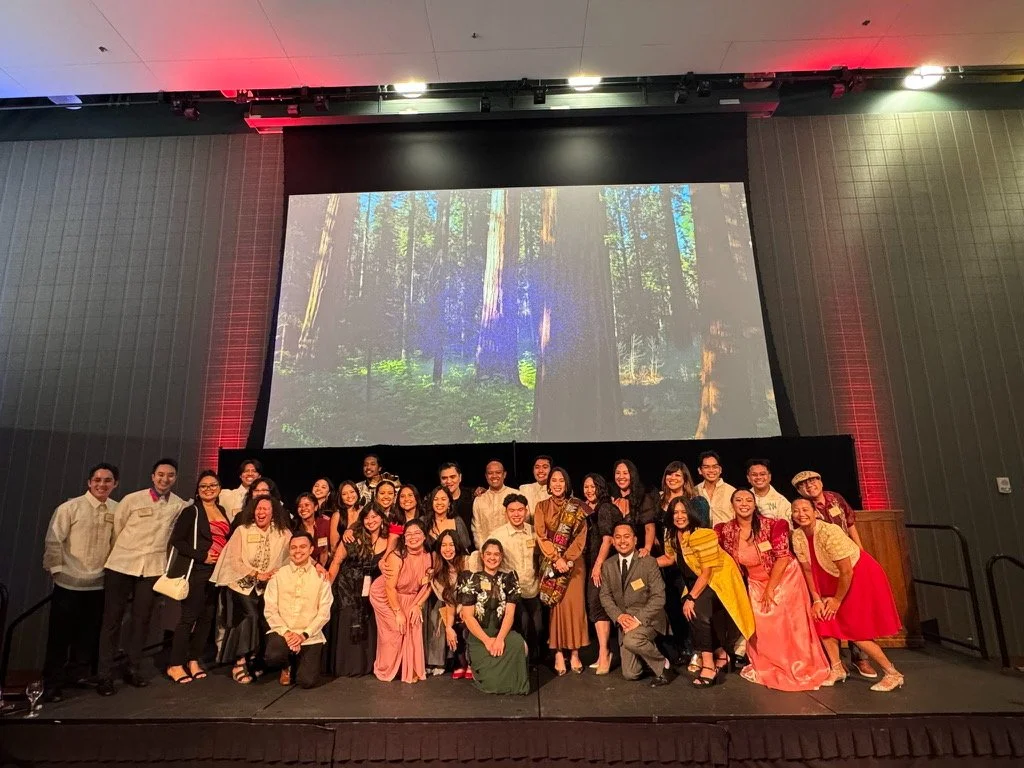
LEAD Filipino staff, board of directors, volunteers and allies pose for a photo at the organization's 10th anniversary gala at San Jose State University on Oct. 25, 2025. Courtesy LEAD Filipino.
"LEAD Filipino, from the start, has been about helping our people remember who they are," founder and CEO Dr. Angelica Cortez said during the organization's 10th anniversary gala on Saturday, Oct. 25. About 300 people celebrated the milestone under the theme "Live. Lead. Legacy. Wearing Our Futures Together."
Many attendees donned their barongs, Filipinianas, ternos and other formal wear for the evening event held at the Grand Ballroom of San Jose State University, where the nonprofit's journey began.
LEAD, which stands for Leadership, Education, Activism and Dialogue, has and continues to ring true through the organization's work over the past decade. Cortez highlighted these efforts: voter canvassing and registration drives; the Awareness in Action program, a Filipino Studies and civic engagement course; and cocreating Filipino Advocacy Day at the California State Capitol, which was first established to champion ethnic studies.
LEAD's work has also paved the way for two groups: the statewide Filipinx Igniting Engagement for Collective Empowerment (FIERCE) Coalition in California and Filipino Americans Coming Together San Jose (FACT SJ). Its partnership with Stanford Medicine helped produce the first Filipino Cancer Study.
"The identity of a Filipino is national. It is transnational. It is international," Cortez said. "And we didn't do this alone. We grew because we built bridges,"
LEAD Filipino has served people from 18 states across the U.S. and three other countries. It has also extended to chapters in San Antonio and Las Vegas, but Cortez isn't trying to repeat what has been done in San Jose. "It's about multiplying, multiplying the spaces, the connections, the support and the opportunities," she said.
For Jose Antonio Vargas, the anniversary is a celebration of what's being built, a contrast to what he called the current "age of deconstruction" where democratic norms have diminished.
The Pulitzer Prize-winning journalist, filmmaker and activist used data to illustrate how the Filipino population is growing across the U.S. Today, the country is made up of more than 4.4 million Filipinos (including those who identify with more than one race), which surpasses the number of people who were in the original Thirteen Colonies.
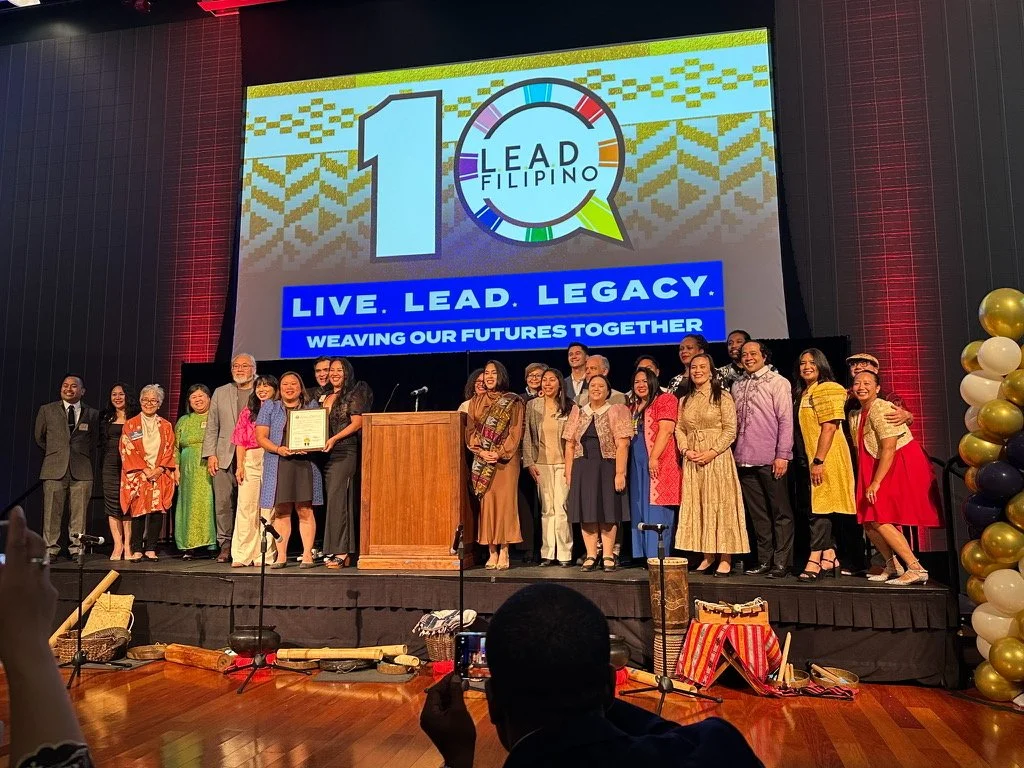
Elected leaders and their representatives, as well as LEAD Filipino members, pose for a photo at the organization's 10th anniversary gala at San Jose State University on Oct. 25, 2025. Courtesy LEAD Filipino.
"We have an opportunity in this country … to actually remake what it means to be Filipino American," Vargas said. Before wrapping up his remarks, he left the audience with a question: "If you have privilege, how are you actually going to use it?"
Tennessee State Rep. Justin Jones was met with applause and cheers as he illuminated how Filipino values and history can be sources of strength to stand up for democracy.
"Now is our time to remember our roots, not only our kapwa, but our pakikiramdam and loob. We must know who we are," he said. "We must know that we have every tool that we need to fight this battle right now."
During his keynote, he emphasized the importance of collective resistance as the nation faces detentions from the U.S. Immigration and Customs Enforcement (ICE), militarized force at the local level and gun violence.
Jones offered three lessons of leadership in our current times: dismantle systems of injustice, disrupt cycles and systems and discover new ways of being. "What happens in one place is going to come to our doorstep eventually. So we must stand together," Jones said. "We must imagine a new reality for this nation. We must show solidarity, deep solidarity, with each other by sharing strategies and resources and showing up for each other."
The day coincided with civil rights activist Larry Itliong's birthday, and Jones imparted a powerful message taught by the labor organizer: "Isang bagsak. If you come for one, you come for all."
California Attorney General Rob Bonta delivered congratulatory remarks through a video message. "The legacy of our community is one of courage, resilience and service, he said. "LEAD Filipino embodies that spirit, providing mentorship, resources and opportunity for the next generation of Fil Am leaders."
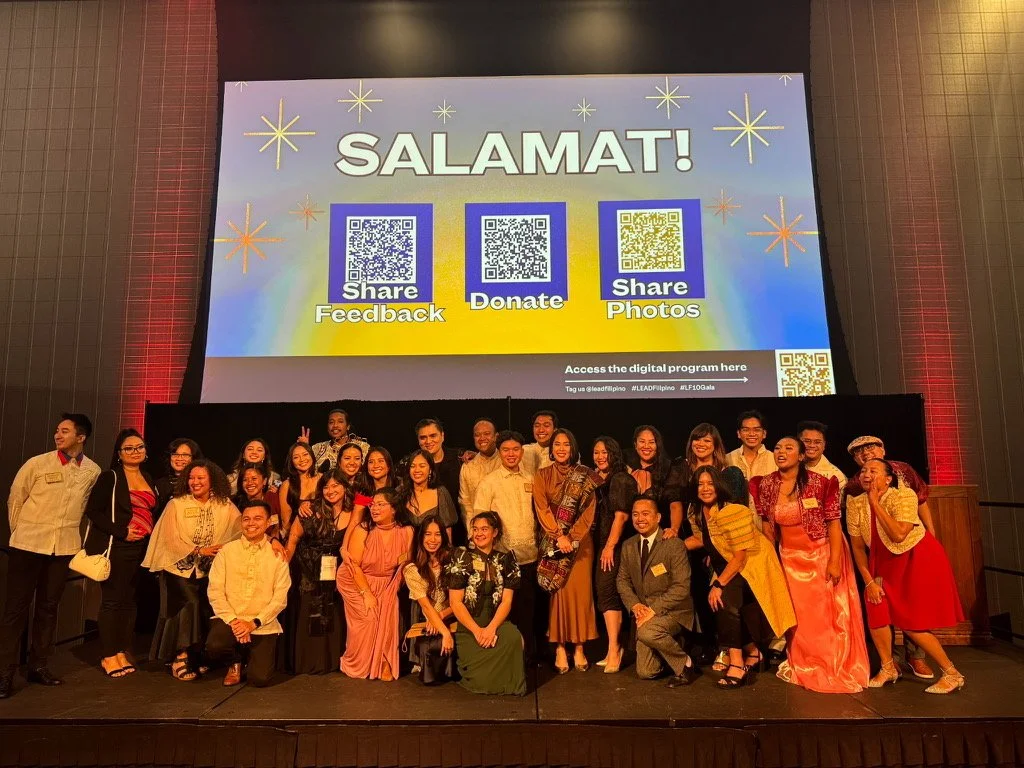
Dr. Jennifer Briscoe and Meredith Curry Nuñez, LEAD Filipino's board chair and secretary, respectively, also offered their gratitude to the crowd. Briscoe said it was "extraordinary" to see the organization grow from a local program from the east side of San Jose to a national movement.
Curry Nuñez, who is also LEAD's inaugural board chair, also echoed the same sentiments. "The movement belongs to all of us, and the movement is something that we have to believe in," she said.
NBC Bay Area journalist Ginger Conejero Saab emceed the event, which also featured entertainment from DJ JazzyPhizzzle, performing arts troupe Kabayan Folk Arts and drag performer Sassi Fran.
The event was dedicated in memory of Carina Mae Owens, who was involved with LEAD Filipino during its formative years, and Mark Serrano, executive director of the Filipino Youth Coalition and supporter of multiple community initiatives.
Written by Jamey V. Padojino



















When the Avengers: Doomsday one-year countdown dropped, audiences didn’t just watch. They paused, replayed, shared, and even speculated about hidden messages. A week later, the clip surpassed 14 million views, becoming a viral moment picked up across major media outlets that fueled anticipation for the next chapter of the Marvel Universe.
The countdown video was the result of a collaborative effort led by AGBO and its studio partners. Supporting the marketing team as a contracted editor was Joshua Ortiz (@joshuajortiz), a Filipino American filmmaker whose career has steadily built toward opportunities to contribute to projects of this scale, alongside earlier success with the short films he has written and directed.