

The 12 National Symbols Every Filipino Should Know
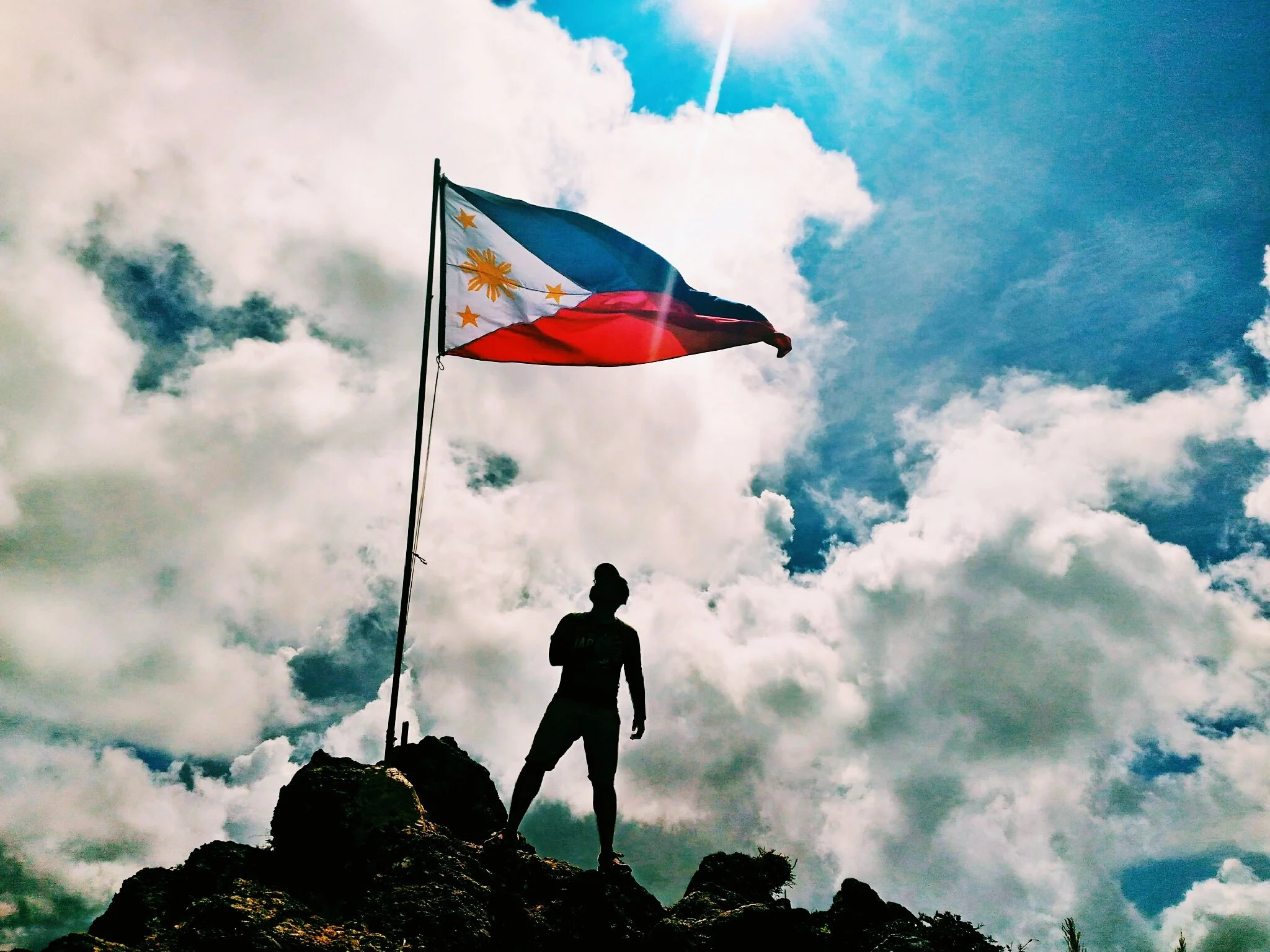
When you think of a country’s identity, you probably picture a flag or maybe an anthem. But the Philippines takes it further. The archipelago doesn’t just have one or two national symbols. It has twelve. Each one tells a story about who we are, what we value, and how we show up as Filipinos in the world.
Six of these symbols are officially recognized by the Philippine Constitution, while the other six were declared through executive orders over the years. Put together, they are like a cultural starter pack that every good Filipino (or honorary Filipino!) should know. A snapshot of our traditions, our natural treasures, and even our ways of communicating.
So let’s break it down.
The Constitutional Six
1. The Flag
Our iconic flag says it all. Blue for peace and justice, red for courage, white for equality, and a golden sun with eight rays representing the first provinces that revolted against Spain. Fun fact: flip the flag upside down with red on top and it officially signals the country is in a state of war. During World War II, the flag was even banned by American and Japanese colonizers, but Filipinos risked punishment just to display it in secret.
2. The Filipino Language
Filipino, based largely on Tagalog, is the national language. It is a unifier in a nation with over 170 languages and dialects. It’s proof that language is more than words. It’s connection. In 1937, President Manuel L. Quezon declared Tagalog the basis of the national language because it was widely spoken around Manila and had a strong literary tradition.
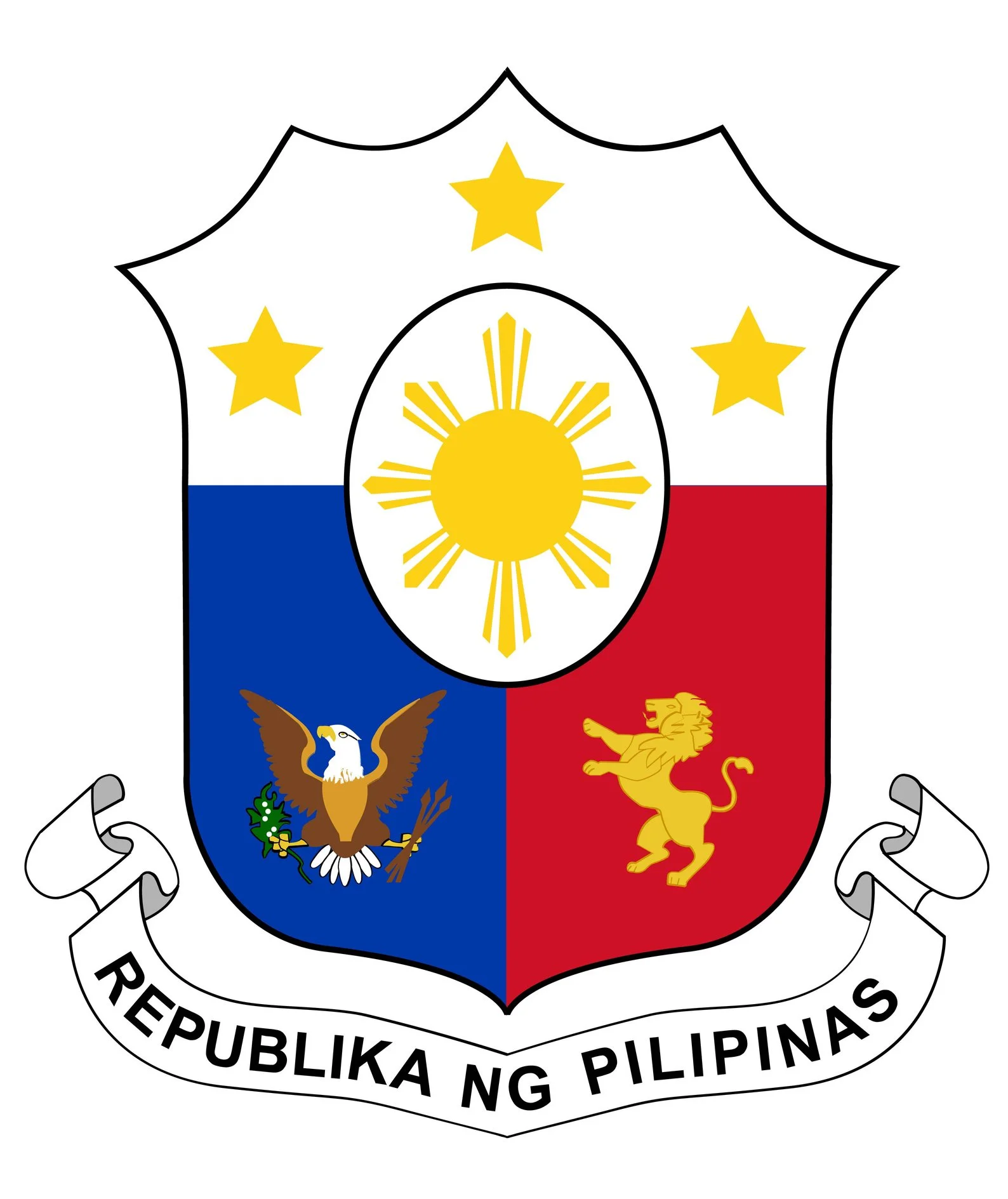
3. The Coat of Arms
Featuring the sun, stars, the American bald eagle and the Philippine lion, this symbol reflects our complex history of colonization and independence. The three stars stand for Luzon, Visayas, and Mindanao. Meanwhile, the bald eagle represents ties with the United States, while the lion nods to Spain. It is literally history in one design.
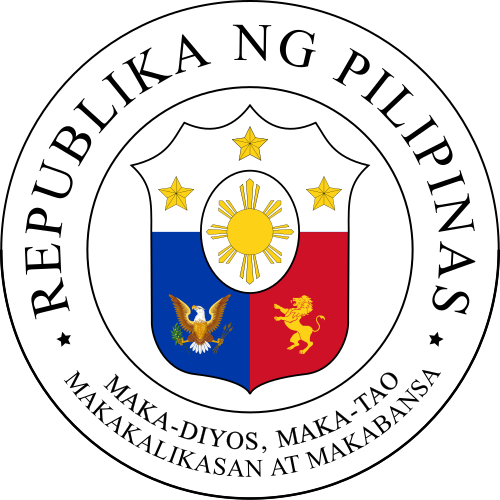
4. The Great Seal
Usually used for government documents and authenticity, the Great Seal mirrors the Coat of Arms but with the motto included. It is pressed on official papers and legal instruments so that the state’s authority is undeniable. The current seal design was adopted in 1998, right in time for the centennial celebration of Philippine independence.
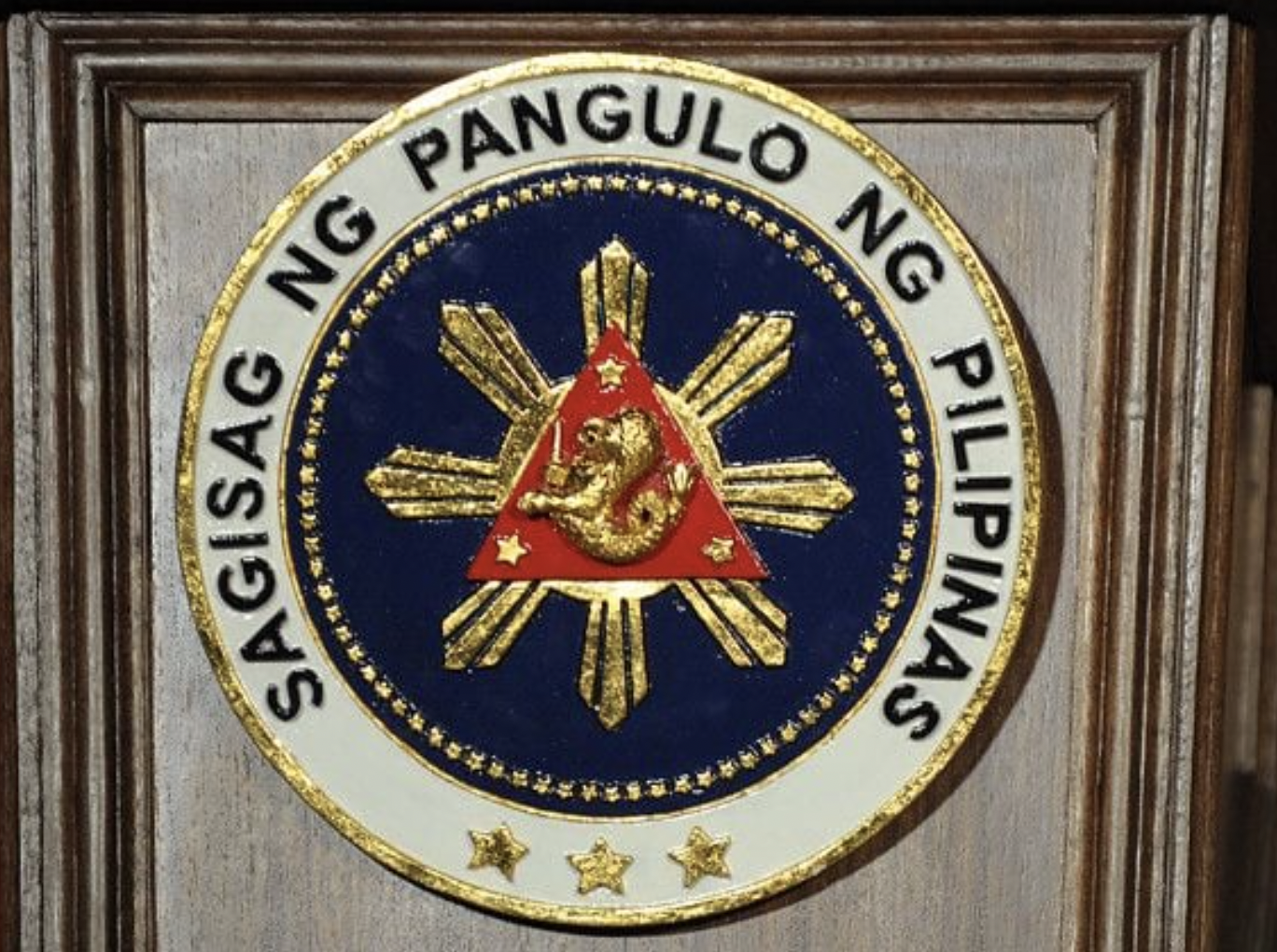
Note: Each office and branch of government has its own seal so you will see multiple variations with specific office specification. For example, the Presidential Seal looks like this:
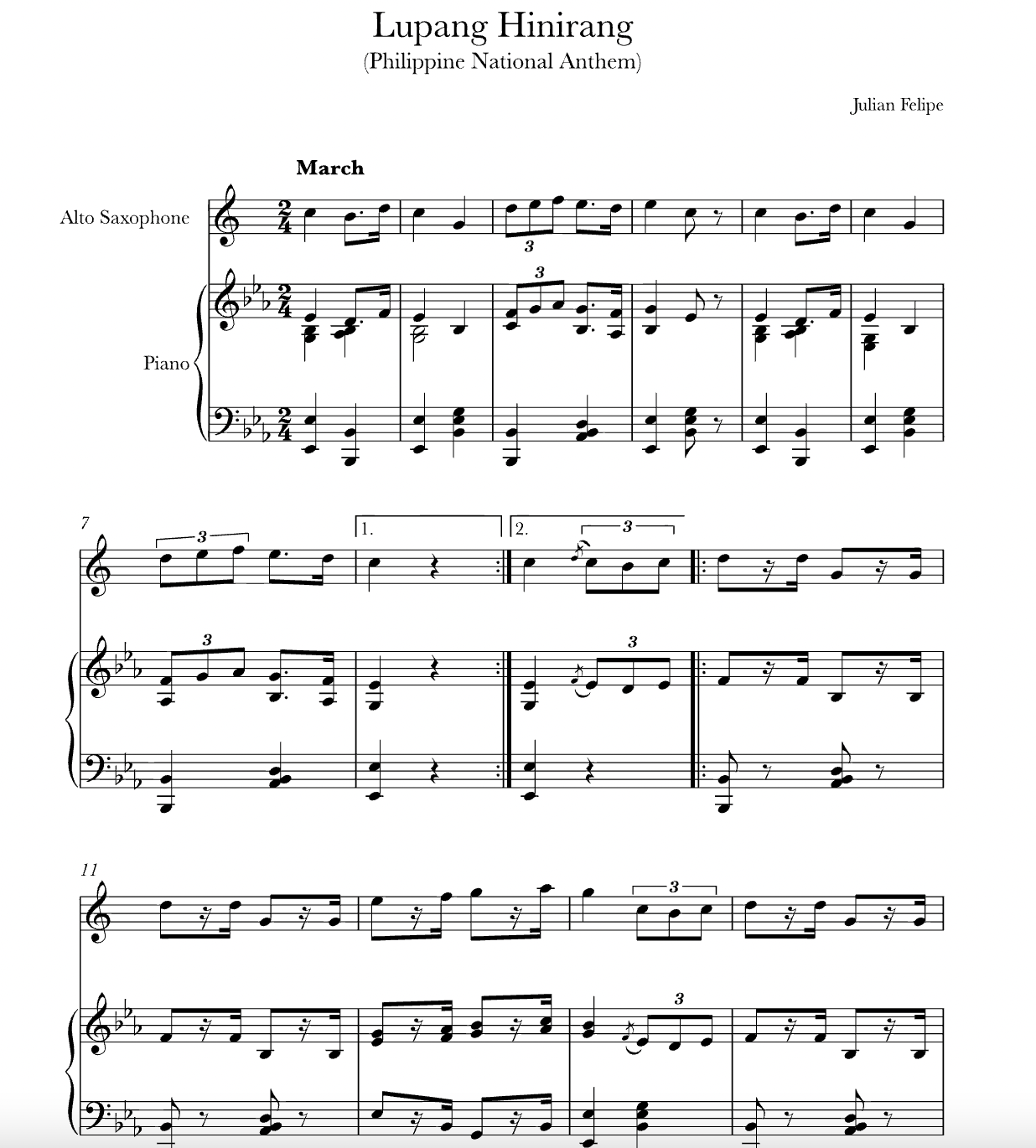
5. The National Anthem – “Lupang Hinirang”
Our anthem isn’t just a song. It’s a declaration. First composed in 1898, it has evolved through time but continues to be sung with the same fervor. Goosebumps included. It was originally written in Spanish as “Marcha Nacional Filipina,” then translated to English, and finally to Filipino. By law, it must be sung in Filipino only.
6. The National Motto – “For God, People, Nature, and Country”
Short but powerful, it ties together faith, community, sustainability, and nationalism in one line. The motto was only officially adopted in 1998, but its phrasing reflects values that Filipinos have long lived by, from honoring ancestors to protecting bayanihan culture.
The Executive Order Six
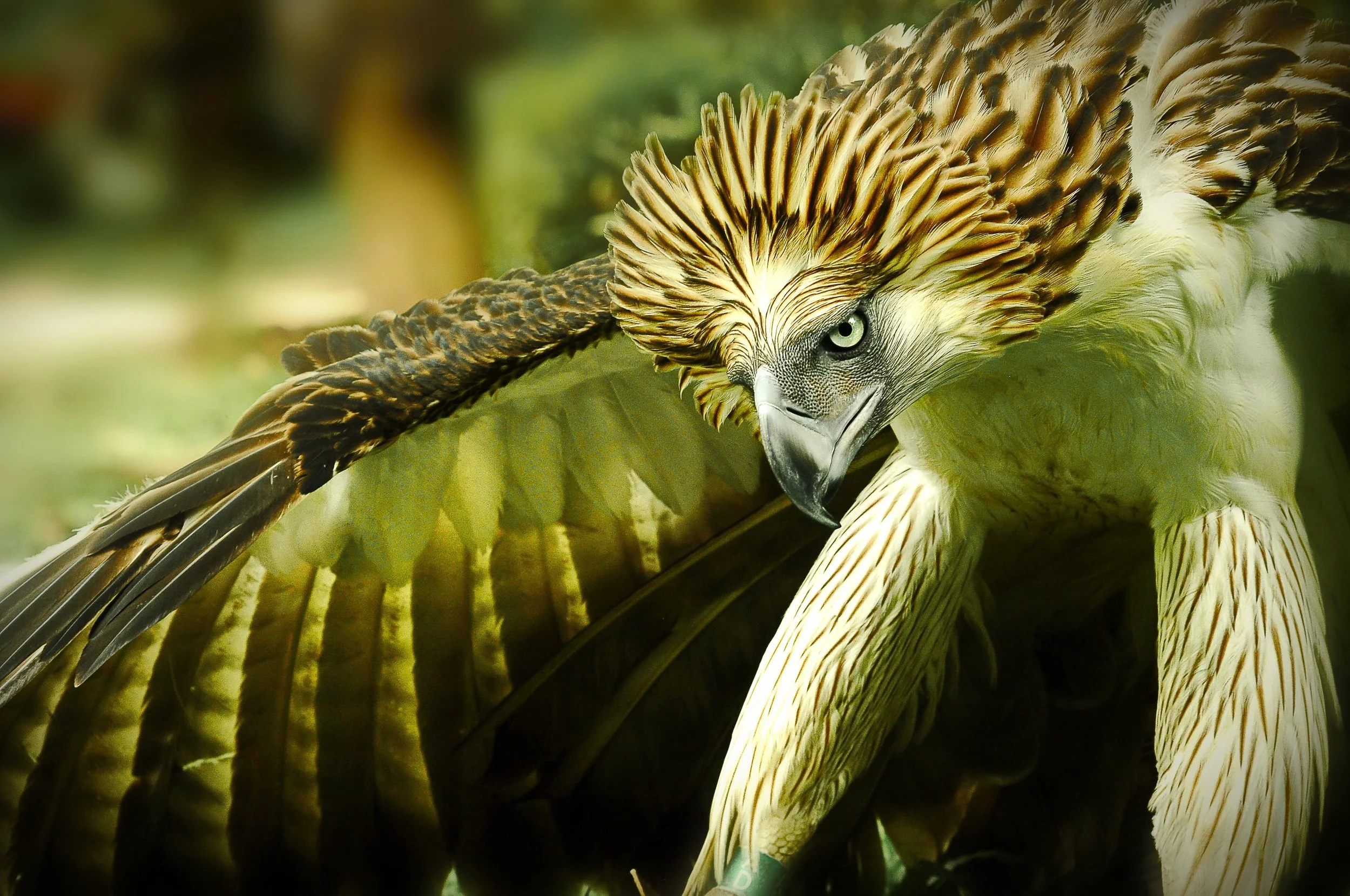
7. National Bird – Philippine Eagle
Also called the monkey-eating eagle (though it eats more than monkeys), this majestic bird is one of the world’s largest with a wingspan that can stretch up to seven feet. Sadly, only about 500 remain in the wild. Killing one is a crime punishable by up to 12 years in prison. In 2019, a Philippine eagle named Geothermica even became an international ambassador when it was loaned to a conservation center in Singapore.
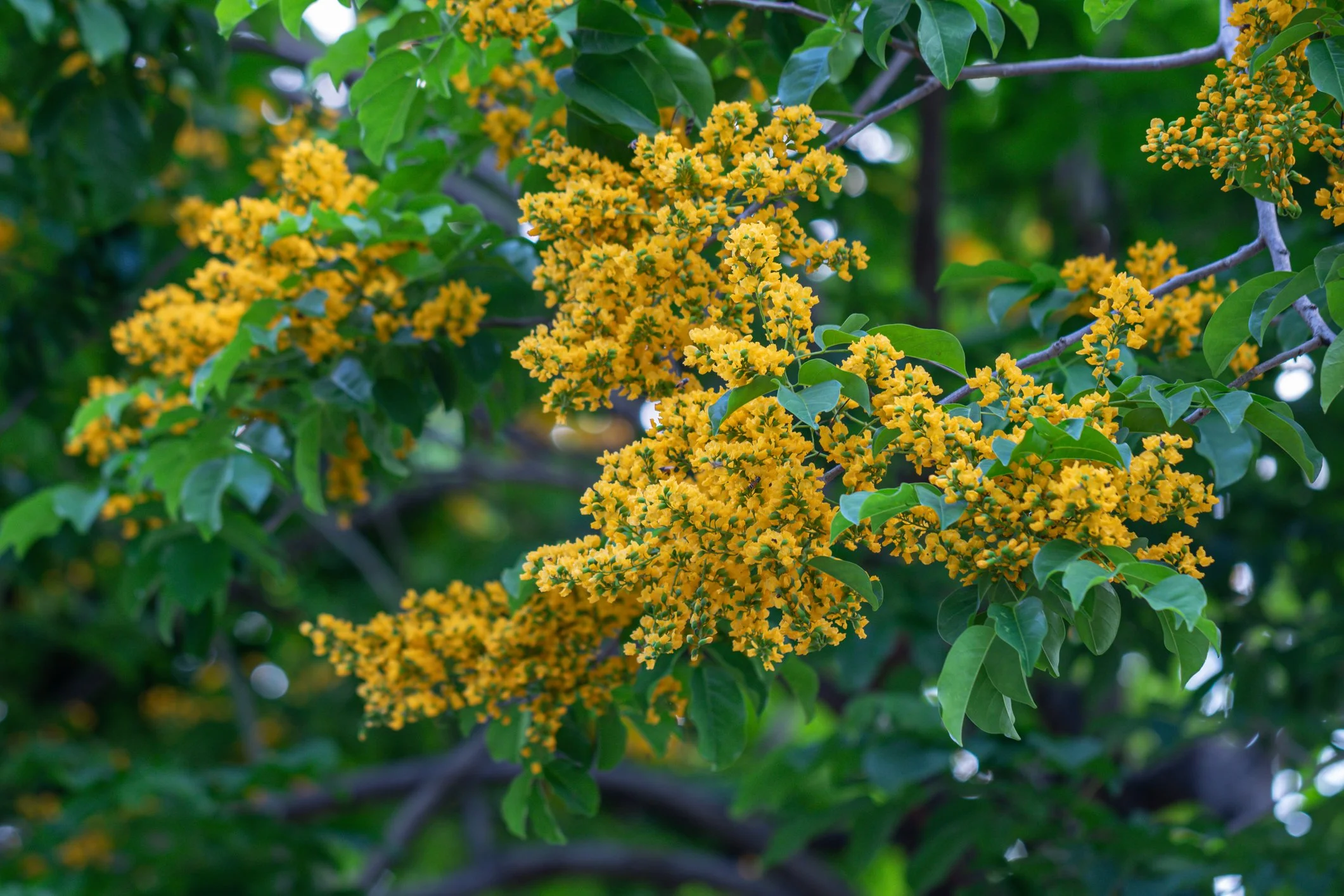
8. National Tree – Narra
Known for its strength and deep reddish hardwood, the Narra tree represents resilience. A trait Filipinos know well. It has been used for centuries in everything from furniture to flooring, but its symbolism is rooted in sturdiness and pride. Narra blossoms are bright yellow and bloom in clusters, adding bursts of color to the landscape during the dry season.
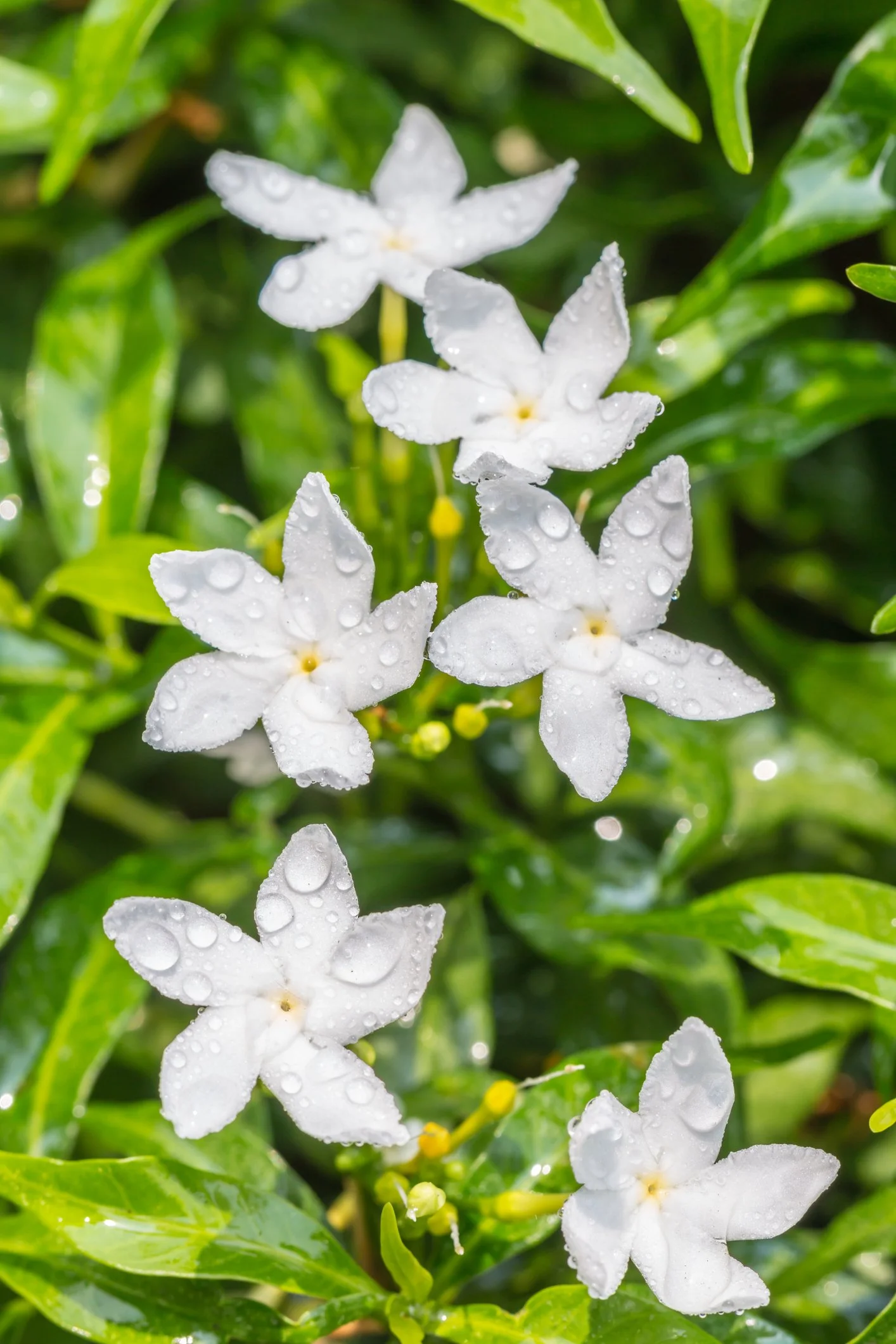
9. National Flower – Sampaguita
Tiny, fragrant, and usually strung into garlands, the sampaguita is a symbol of humility, simplicity, and purity. It is also the flower you will most likely receive when you are being honored in a Filipino celebration. The name “sampaguita” comes from the Filipino phrase “sumpa kita,” meaning “I promise you,” linking the flower to themes of fidelity and devotion.
10. National Sign Language – Filipino Sign Language (FSL)
A powerful acknowledgment of inclusivity, FSL is rooted in French Sign Language and influenced by American Sign Language. Declaring it a national symbol recognizes the Filipino Deaf community as part of our national identity. It was officially declared the national sign language in 2018, cementing its place in education, courts, broadcast media, and official transactions.

11. National Gem – Philippine Pearl
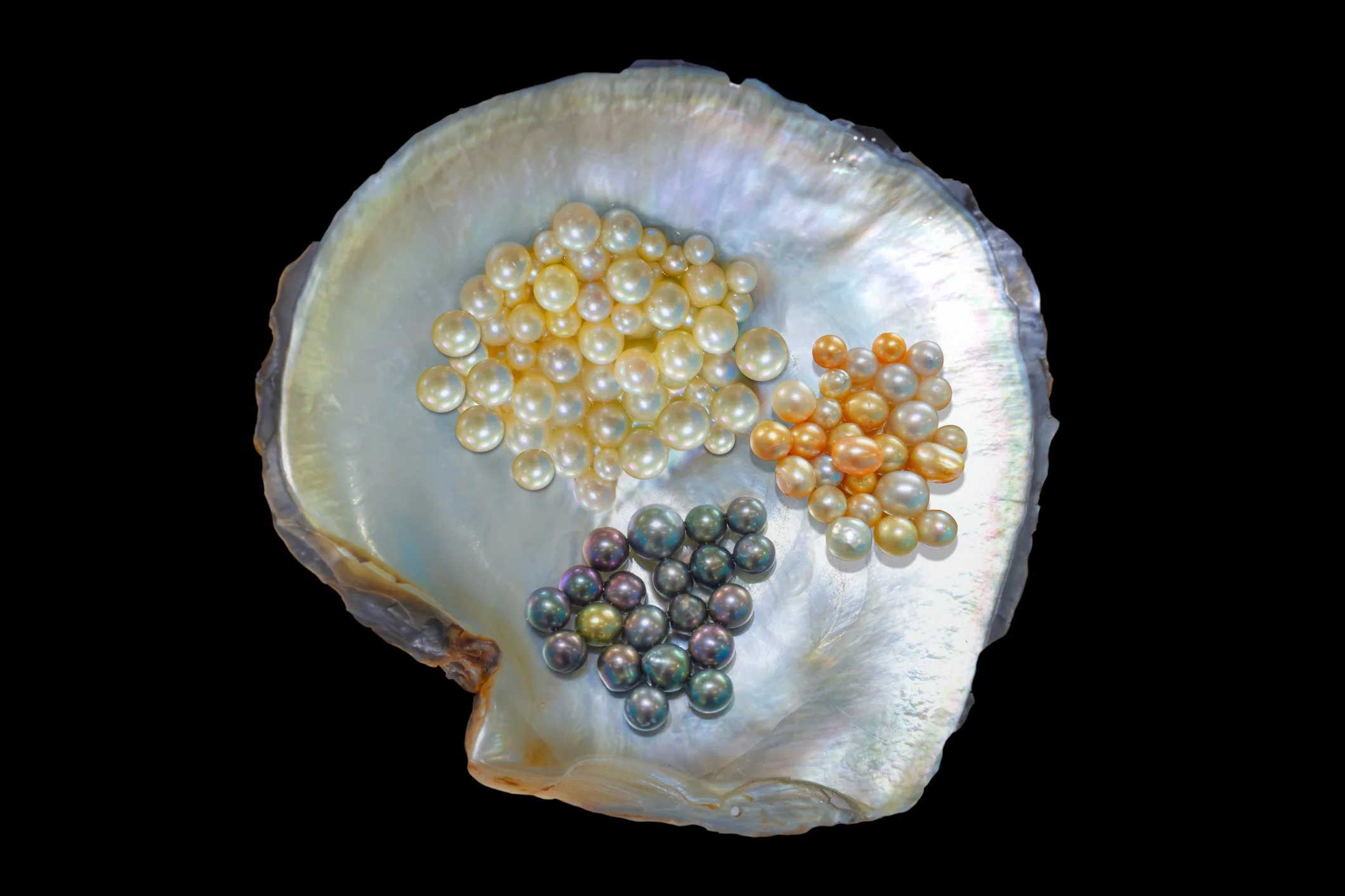
Found in the South Seas, these pearls are more than jewelry. They represent natural beauty and rarity. They even made it to our money. Flip over the 1,000 peso bill and you’ll find pearls and the oyster that bears them. The Philippines also holds the record for the largest pearl ever discovered, the “Pearl of Lao Tzu,” which weighs over 14 pounds.
12. National Sport – Arnis
Arnis, also known as eskrima or kali, is a martial art all about self-defense using sticks, knives, and hand-to-hand combat. It is ancient, it is Filipino, and it has influenced martial arts styles around the world. Even Hollywood has embraced it, with Arnis choreography showing up in fight scenes from films like “The Bourne Identity” and Marvel’s “Daredevil.”

National symbols aren’t just decorative checkboxes. They are reminders of identity. For Filipinos, especially those in the diaspora, these symbols connect us to home. The land, the language, the history, and the fight. They tell the story of a people who endured colonization, built resilience, and still hold onto beauty, strength, and pride.
So the next time you see the flag waving, hear “Lupang Hinirang” at a boxing match, or spot a sampaguita garland, remember you are not just looking at one piece of culture. You are seeing part of a bigger mosaic of what it means to be Filipino.
















When the Avengers: Doomsday one-year countdown dropped, audiences didn’t just watch. They paused, replayed, shared, and even speculated about hidden messages. A week later, the clip surpassed 14 million views, becoming a viral moment picked up across major media outlets that fueled anticipation for the next chapter of the Marvel Universe.
The countdown video was the result of a collaborative effort led by AGBO and its studio partners. Supporting the marketing team as a contracted editor was Joshua Ortiz (@joshuajortiz), a Filipino American filmmaker whose career has steadily built toward opportunities to contribute to projects of this scale, alongside earlier success with the short films he has written and directed.