

The Forgotten Constituents: How Overseas Filipinos Can Rewrite Philippine Politics
Written By Clifford Temprosa
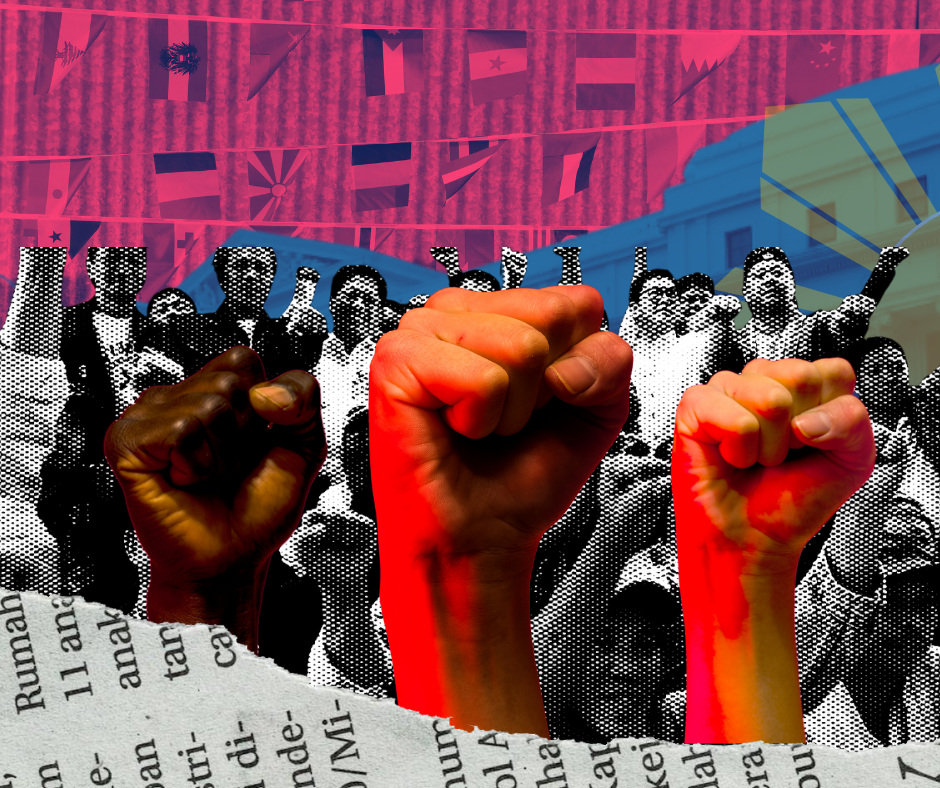
Every election season, the lines snake outside Philippine consulates in cities we now call home. Nurses in scrubs fresh off night shifts. Caregivers clutching tote bags of pasalubong. Seafarers standing with duffel bags at their feet. They’ve traded land for sea, home for work abroad, and yet, here they are, sacrificing their only day off to vote for a country that too often treats them like exports, not citizens.
But this season feels heavier. Another round of corruption scandals has made headlines back home, exposing just how deeply public trust has been betrayed. Infrastructure budgets vanish, aid money lines pockets, and justice rarely reaches the powerful. For overseas Filipinos who send billions back each year to keep families and communities afloat, the outrage cuts deeper: our labor fuels an economy run by leaders who squander it.
We left the Philippines, but we never left the fight. If we organize, our ballots could do what remittances never will—force accountability, demand change, and remind the nation that the diaspora is watching.
The Sleeping Giant
There are over 1.7 million registered overseas Filipino voters spread across more than 90 countries. In electoral math, that’s equivalent to a small province, but with turnout and strategic mobilization, it’s a province that can swing close national races. Enough to decide multiple Senate seats and influence the national narrative. In an election where millions of votes decide a presidency, overseas ballots are already margins big enough to flip results. The problem isn’t numbers. It’s activation.
Historically, the overseas vote share is modest. On average, between 25% to 30% turnout. But the potential is explosive. And we must remember: overseas voting wasn’t a gift. It was won. The Philippine Overseas Voting Act of 2003 (RA 9189, amended by RA 10590) came after more than 20 years of lobbying by migrant worker organizations demanding political rights alongside their economic contributions. That history matters: our right to vote abroad was fought for, and must be defended.
The diaspora has seen what functional governance looks like:
Public infrastructure that is maintained and reliable.
Universal healthcare systems that treat illness as a public responsibility, not a personal bankruptcy event.
Accountable leadership that faces real legal consequences for corruption.
We know what’s possible and we know what’s been stolen from us.
The System Is Designed to Keep Us Quiet
Let’s stop pretending the barriers are accidental.
The Commission on Elections (COMELEC) Overseas Voting Office is chronically underfunded. Budgets for printing, mailing, and staffing overseas voting operations are among the smallest line items in the agency’s allocation. The result:
Ballots that arrive weeks late or never at all.
Consulates forced to cover vast jurisdictions with skeletal staff.
In-person voting sites that require OFWs to travel hundreds of miles and kilometers, often at their own expense.
In addition to logistical barriers, there’s digital voter suppression: coordinated misinformation campaigns on Facebook, Instagram, YouTube, and TikTok flood diaspora communities with nostalgia-driven propaganda, dynasty myth-making, and fabricated “news.” Without strong fact-checking networks, many voters abroad are left vulnerable.
And here’s the truth no candidate likes to admit: for too many politicians, overseas Filipinos are photo-ops, not constituents.
We are treated as campaign pit stops during “international tours” - excuses to travel, shop, and pose for selfies - without any commitment to addressing migrant issues in Congress. Campaign tours abroad are meaningless if they don’t lead to legislation that lowers remittance fees, strengthens labor protections, or reforms the overseas voting system.
We are called the lifeline of the economy, but when it comes to politics, we are rendered invisible. That contradiction is not just hypocrisy. It’s exploitation.
Low turnout isn’t apathy. It’s disenfranchisement by design.
When We Do Show Up
When mobilized, the diaspora is a political force:
Hosting candidate forums in Dubai, Toronto, and Los Angeles, connecting overseas voters directly with reform advocates.
Community groups turning food festivals, church gatherings, and cultural events into voter registration hubs.
Diaspora-led campaign teams running livestream town halls, setting up fact-checking pages in Filipino languages, and organizing cross-border phone banks calling relatives and friends in the Philippines to influence swing provinces.
These aren’t side projects. They’re political interventions. Proof that when we act, we can matter.
Why Our Votes Tilt Toward Change
The overseas vote has historically leaned toward candidates who promise anti-corruption reforms, workers’ rights protections, and transparent governance. That’s not coincidence. It’s lived experience turned into political instinct.
Many OFWs have faced:
Exploitative labor contracts and lack of legal protection abroad.
Recruitment agency fees that trap workers in debt and blackmail.
Embassy neglect in times of crisis, from abusive employers to illegal detentions.
These conditions shape what we demand from the government: dignity, accountability, protection. And they reveal a truth the political class often ignores: we are not side trips on campaign itineraries. We are constituents with power, and we expect representation, not rhetoric.
How to Improve OFW Voter Experiences
Remittances keep families alive. Overseas votes could keep the nation free. But to do so, we must move from lifeline to leverage. That means transforming scattered voting rights into concrete political power through structural reforms:
Fully fund COMELEC’s Overseas Voting Office so ballots, staff, and systems don’t collapse every election cycle.
Mandate mobile and satellite voting centers in major diaspora hubs where consulates are too far.
Expand postal and electronic voting to reduce logistical barriers.
Lower remittance fees through regulatory caps and international banking reforms.
Create a permanent Congressional Committee on Diaspora Affairs with oversight on migrant worker policy.
Strengthen bilateral labor agreements to ensure safety and dignity for Filipino workers abroad.
But we can’t wait for COMELEC or Congress to fix themselves. Diaspora power has to be built by us: through independent voter networks, caravans to polling sites, watchdog groups monitoring ballots, and community-led voter education campaigns. Political infrastructure isn’t given. It has to be created.
Accountability for Politicians
Politicians must treat overseas Filipinos as constituents year-round, not just as props during campaign season. That means:
Issuing annual reports on policies and bills affecting overseas Filipinos.
Holding regular town halls with diaspora communities.
Publishing transparent accounting of funds collected by OWWA and DFA for migrant services.
Anything less is exploitation, reducing us to remittances and selfies.
Our Vote Is Bigger Than “Overseas Issues”
Overseas Filipinos don’t just vote for migrant-centered policies. We vote on healthcare, education, climate, and corruption because those shape the lives of our families back home. A parent in Hong Kong is voting for their child’s school in Quezon. A nurse in New York is voting for her parents’ hospital in Cavite. A seafarer in Greece is voting for climate policy that will decide whether his coastal barangay sinks or survives.
Diaspora votes aren’t separate from Philippine politics. They are integral to it.
From Lifeline to Leverage
If we keep sending money without sending a mandate, we’re not just helping families survive , we’re underwriting the very system that keeps them struggling.
Our remittances may keep the lights on, but they also keep corrupt politicians in power, oligarchs unbothered, and broken institutions unchallenged. Love sustains our families, but silence sustains their rule.
We’ve been the Philippines’ lifeline for decades. That lifeline has become their leash. It’s time to cut it. And turn it into leverage.
A ballot cast from abroad is more than a piece of paper. It’s a weapon, a demand, a refusal to be invisible. Vote like your ballot is a crowbar because the system will not pry itself open. We will have to break it loose ourselves.
Written By Clifford Temprosa


















When the Avengers: Doomsday one-year countdown dropped, audiences didn’t just watch. They paused, replayed, shared, and even speculated about hidden messages. A week later, the clip surpassed 14 million views, becoming a viral moment picked up across major media outlets that fueled anticipation for the next chapter of the Marvel Universe.
The countdown video was the result of a collaborative effort led by AGBO and its studio partners. Supporting the marketing team as a contracted editor was Joshua Ortiz (@joshuajortiz), a Filipino American filmmaker whose career has steadily built toward opportunities to contribute to projects of this scale, alongside earlier success with the short films he has written and directed.